
Blister Mold Design
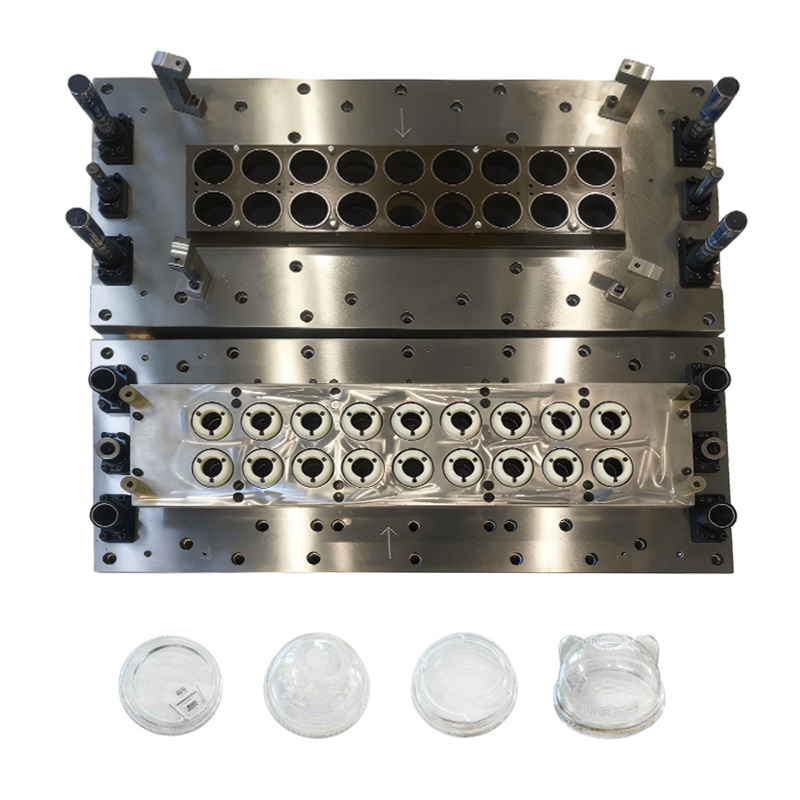
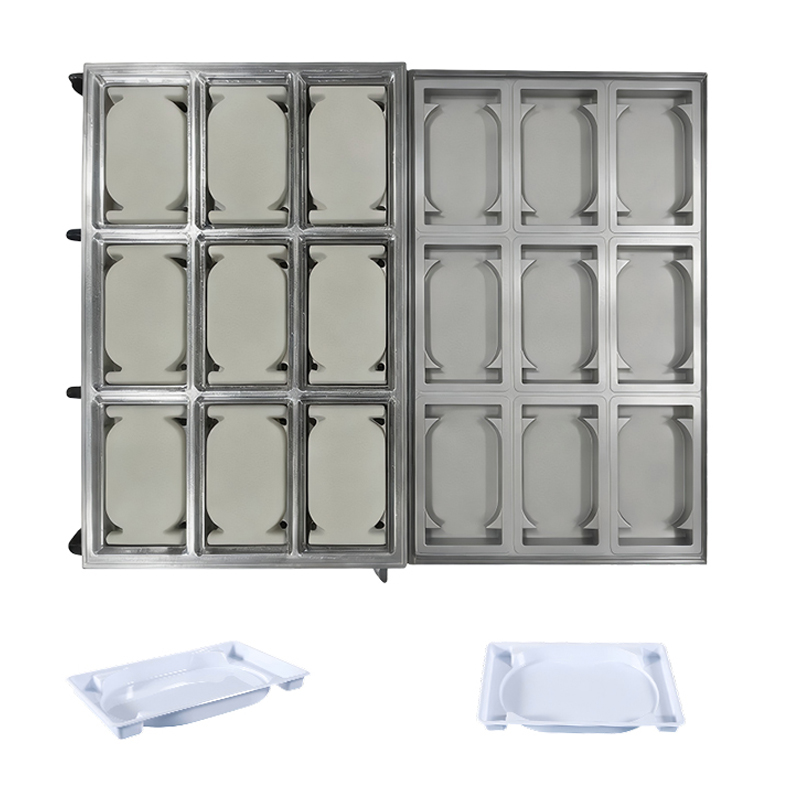
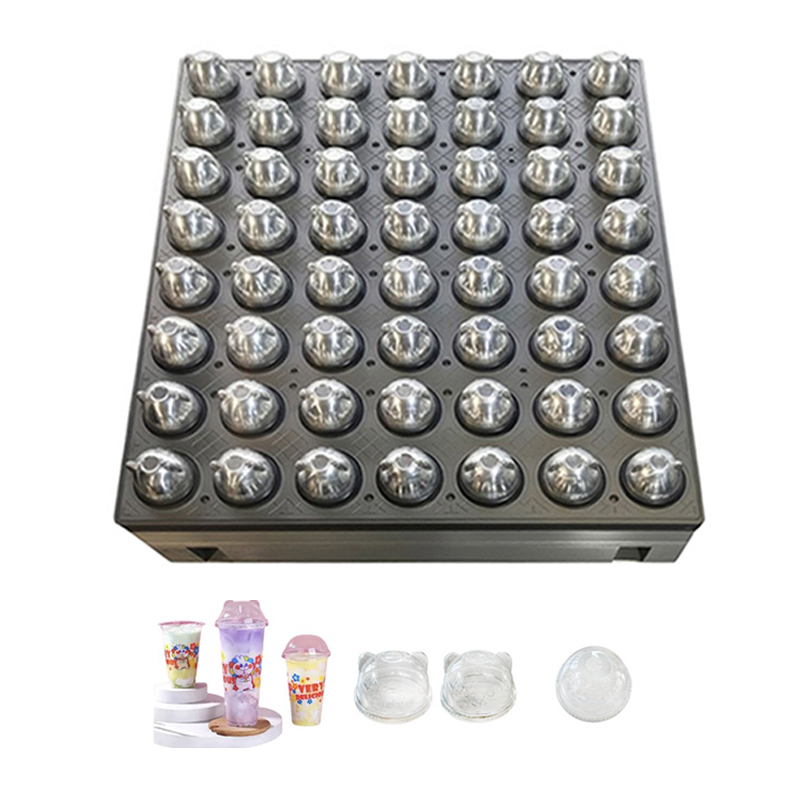
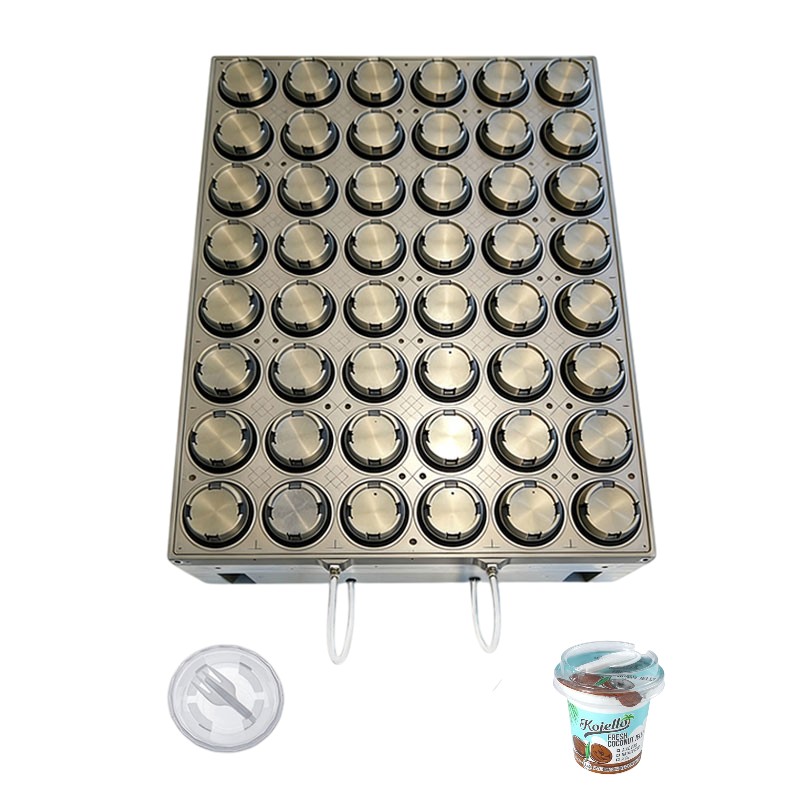
BlissPak provides one-stop mold solutions from 3D design, prototyping to mass production. Our mold team has rich experience in blister mold design and manufacturing, including:
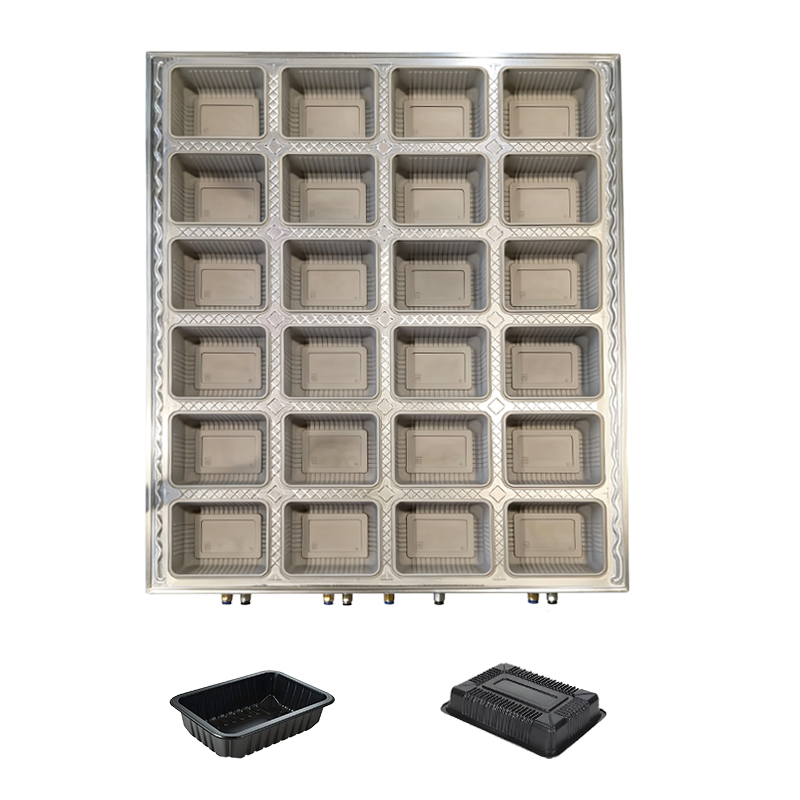
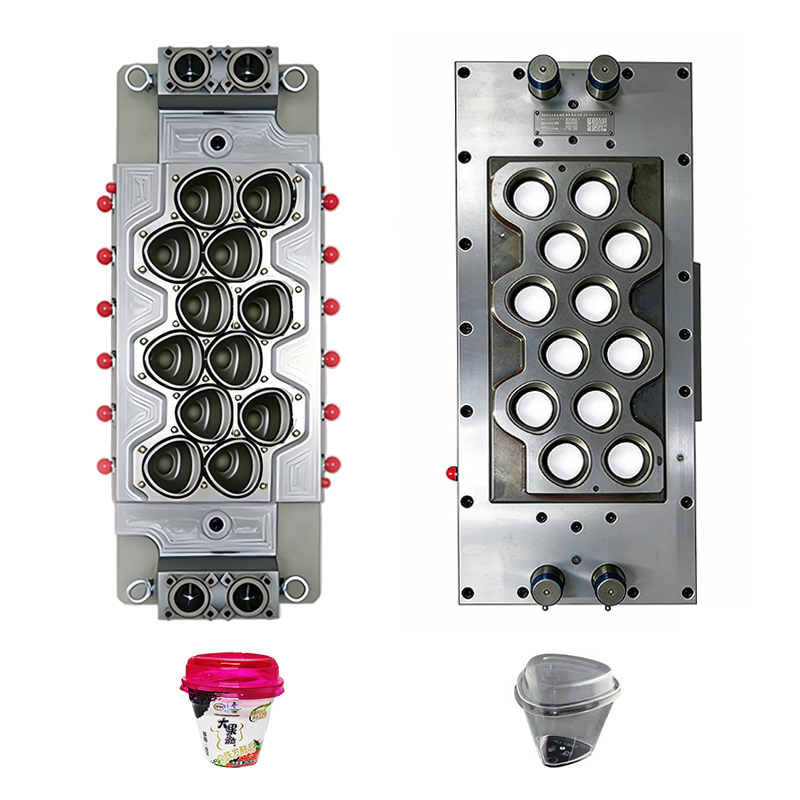
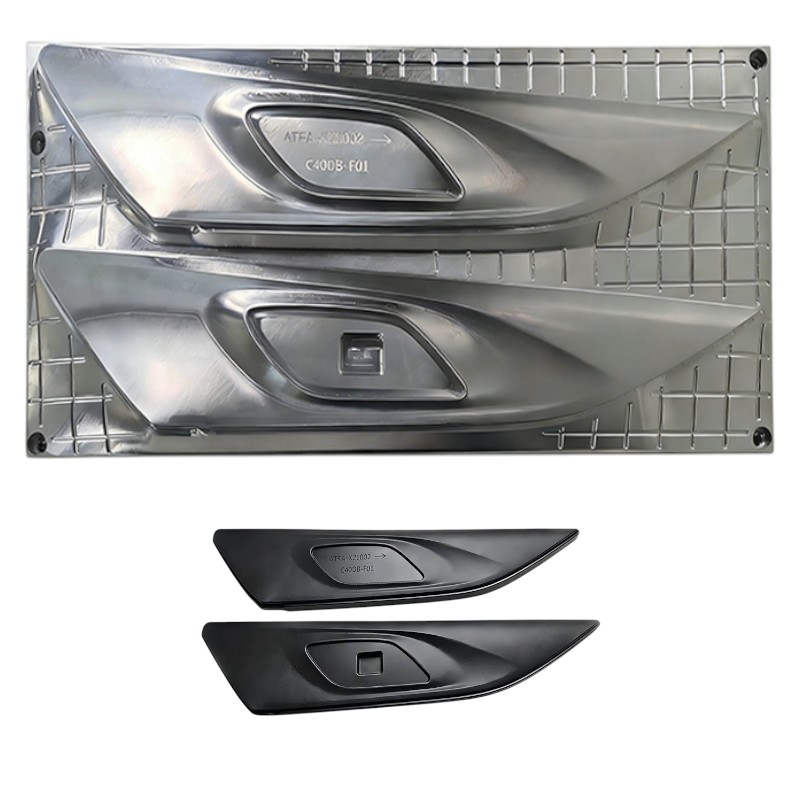
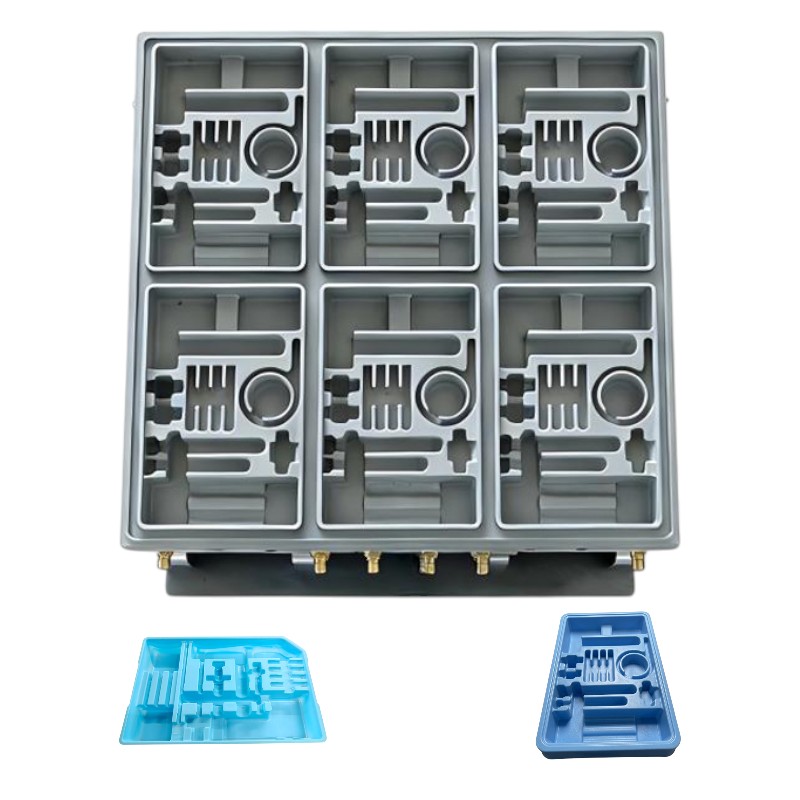
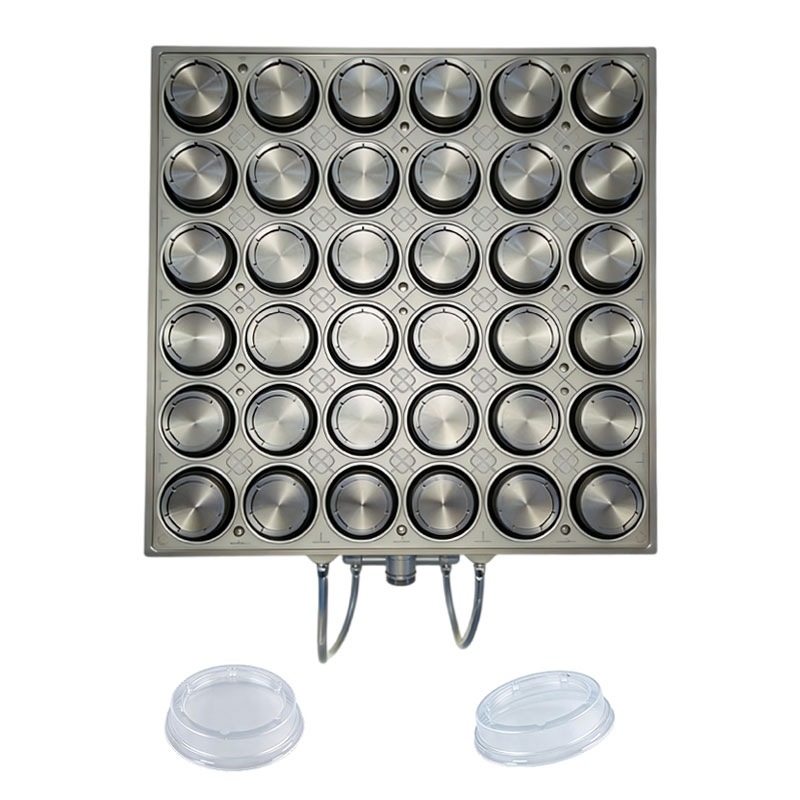
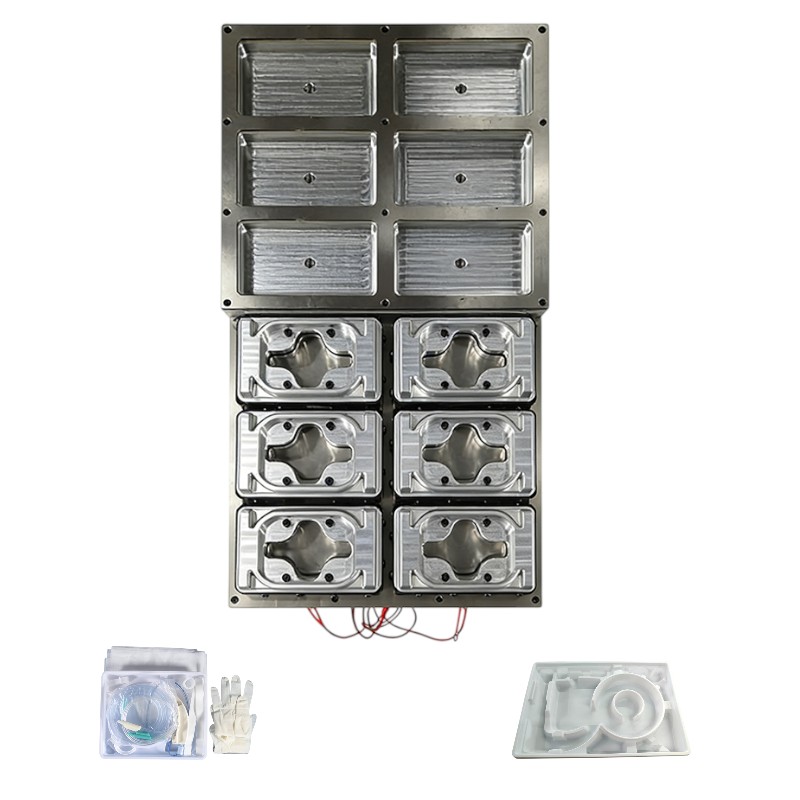
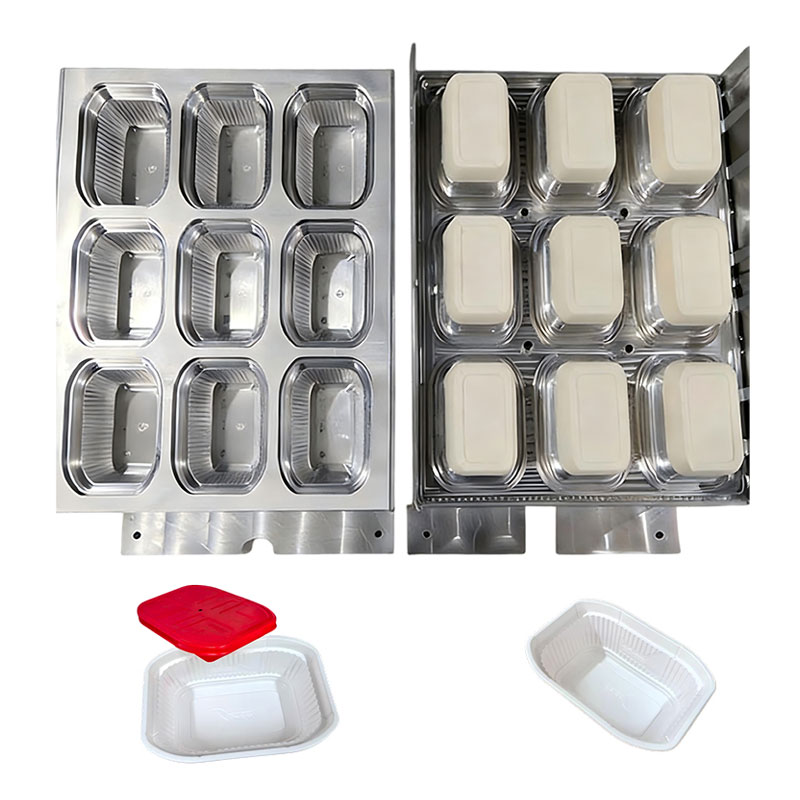
Forming Mold (Thermoforming Mold): The core mold in the thermoforming process, responsible for shaping the product's exterior and structure.Trimming Mold (Cutting Die): Used for trimming the edges of formed products to ensure consistent external dimensions, and can be either separate from or integrated with the forming mold.
Punching Die: Applied for creating holes, slots, vents, and functional openings, with high requirements for precision and durability.
Stacking Mold: Enables automatic stacking of products after forming to enhance production efficiency, and is commonly found in food and takeaway container production lines.
Mold features: High precision, long service life, smooth surface, fast forming speed, adapting to large-scale automated production. We can customize molds according to clients' product drawings, samples or specific requirements, ensuring perfect matching with blister production.


Blister Mold Design FAQs
The most critical factor is a comprehensive Design for Manufacturing (DFM) analysis. This precedes any cutting of metal. A proper DFM reviews part geometry for uniform wall thickness, adequate draft angles, and optimal material flow. It identifies potential issues like webbing or weak spots that could cause failure in production. By resolving these in the virtual stage, we ensure the physical mold produces consistent, high-quality parts from the first run, minimizing costly trials and delays.
Complex geometries require strategic planning. For deep draws, we prioritize material selection with high elongation and design multi-stage forming processes or segmented mold actions to distribute stress. For undercuts, we engineer solutions like side-actions, bump-offs, or collapsible cores directly into the mold design. The key is simulating the forming process early to validate the approach, ensuring the final mold is not just feasible but also robust for production.
Rarely without compromise. Each material has unique shrinkage rates, forming temperatures, and release characteristics. A mold optimized for rigid PVC may not perform well with flexible PETG, leading to part sticking or dimensional inaccuracy. When a project requires material flexibility, we factor this into the initial design, specifying steel types, cooling channel layout, and surface finishes that accommodate a defined range of materials, ensuring performance isn't sacrificed.
The choice is driven by project scope. Aluminum molds excel in prototyping and short-to-medium production runs due to faster machining, lower upfront cost, and excellent heat dissipation. Steel molds are an investment for high-volume, long-term production. They offer superior durability, withstand abrasion from certain materials (like PETG), and hold tighter tolerances over hundreds of thousands of cycles. We guide clients to the optimal choice based on volume, part complexity, and material.
Proactive maintenance is designed in. This includes easy access to wear components like ejection pins, standardized spare parts, and strategically placed cooling channels to prevent corrosion. We also design for serviceability, ensuring that common maintenance tasks don't require full disassembly. Providing clients with a clear maintenance schedule and guidance based on the specific mold design and production material is part of delivering a reliable long-term tooling asset.
You may want to know about Blister Mold Design
BlissPak’s specialty thermoforming materials and blister mold solutions are engineered to solve your most demanding packaging challenges, going beyond standard plastic materials to deliver tailored performance for high-stakes applications. Building on our core strengths in thermoforming and blister production, we integrate advanced materials, precision mold design, and professional manufacturing to help brands stand out in competitive markets.
Beyond our core commodity materials and standard blister solutions, we focus on high-value, application-specific options that align with your business goals—whether you need anti-static protection for electronics, heat-resistant materials for food packaging, or eco-friendly alternatives for sustainable branding. Our materials and molds are fully optimized for automated thermoforming lines, ensuring consistent quality, minimal waste, and seamless production workflows.
Specialty Thermoforming Materials: Beyond Standard Solutions
Our curated range of specialty materials, including high-temperature resistant grades, anti-static formulations, and food-safe options, are designed to meet the unique demands of industries like electronics, food service, and medical packaging. Unlike generic materials, these specialty grades are tailored to work with our blister production process—ensuring compatibility with automated forming, precise dimensional control, and long-term durability.
Precision Blister Molds: Engineered for Performance
We design and manufacture blister molds that perfectly complement our specialty materials, with a focus on accuracy, durability, and production efficiency. Our molds are crafted to handle deep-draw designs, complex contours, and high-volume production, ensuring every blister meets your exact specifications. From custom cavity designs to integrated trimming features, our molds work seamlessly with our thermoforming process to deliver consistent, high-quality results.
One-Stop Support for Your Packaging Goals
BlissPak combines specialty materials, precision mold design, and expert thermoforming to deliver end-to-end solutions. Whether you need anti-static packaging for sensitive electronics, heat-resistant materials for food trays, or eco-friendly options for sustainable branding, our team tailors solutions to your unique needs—all while maintaining the efficiency and reliability your business demands.
Choose BlissPak for Your Specialty Packaging Needs
From high-performance materials to precision molds, we bring together the expertise and resources to elevate your blister packaging. Our focus on seamless integration between materials, molds, and production ensures you get consistent, high-quality results—whether you’re launching a new product, scaling production, or meeting strict industry standards.
Contact us today to discuss your specialty material, mold design, or thermoforming needs, and let us help you bring your packaging vision to life.