
Vacuum Forming Materials
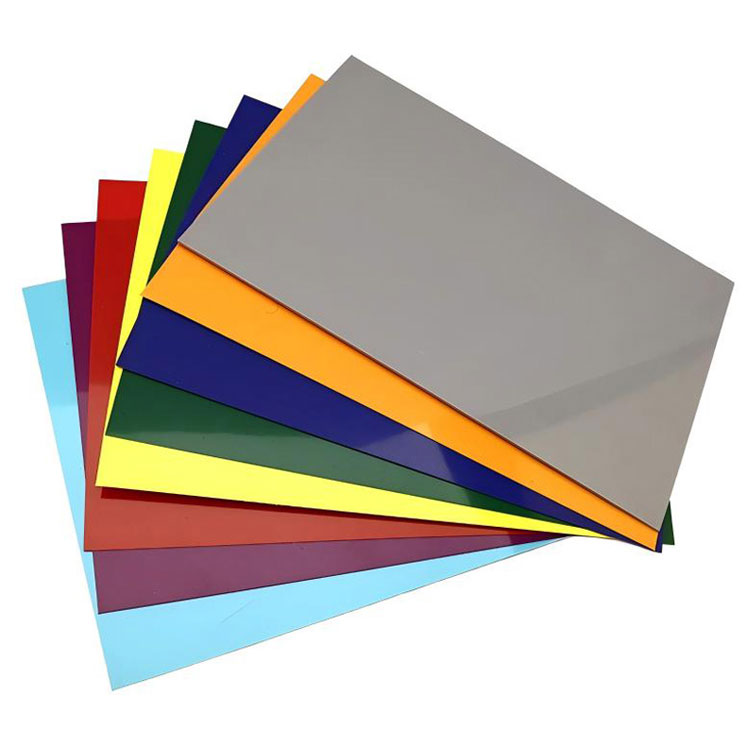
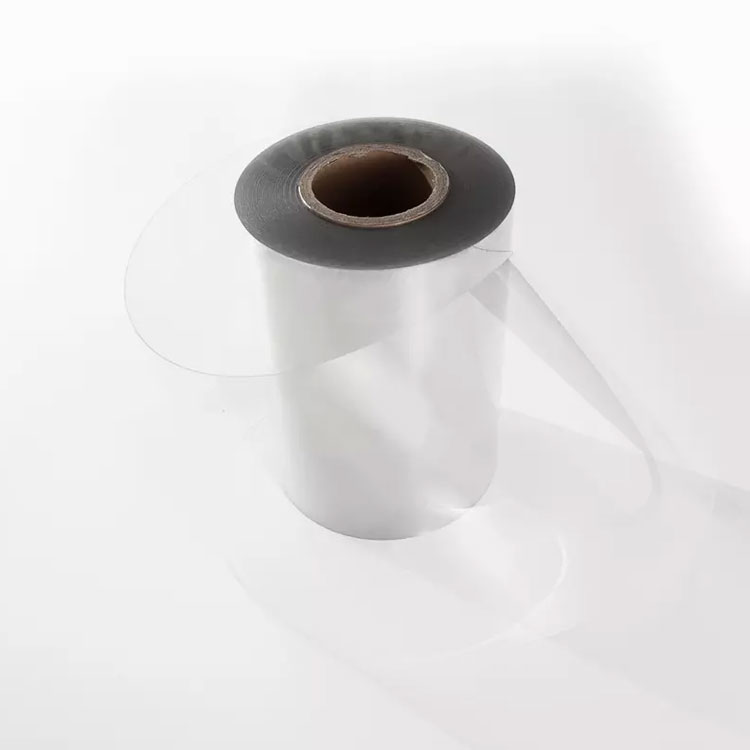
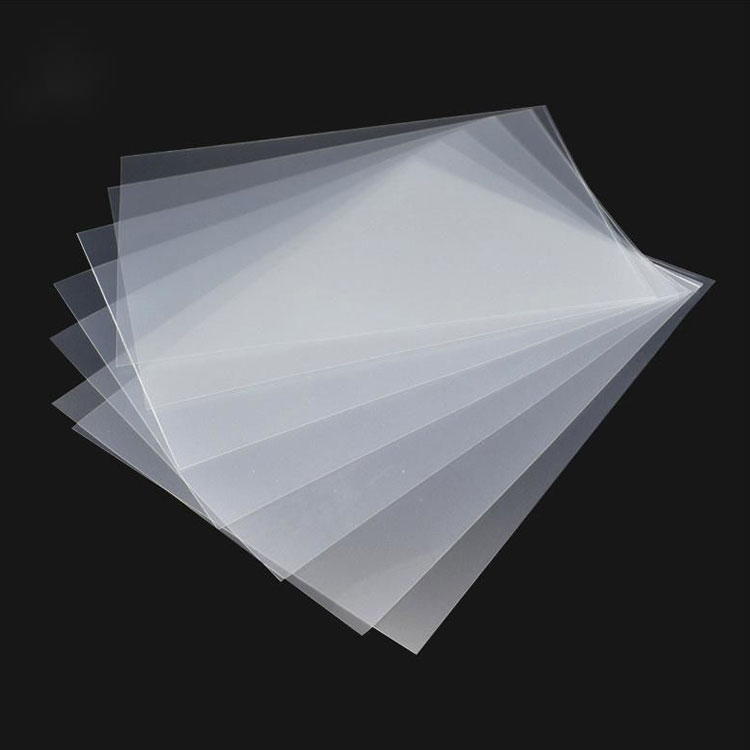
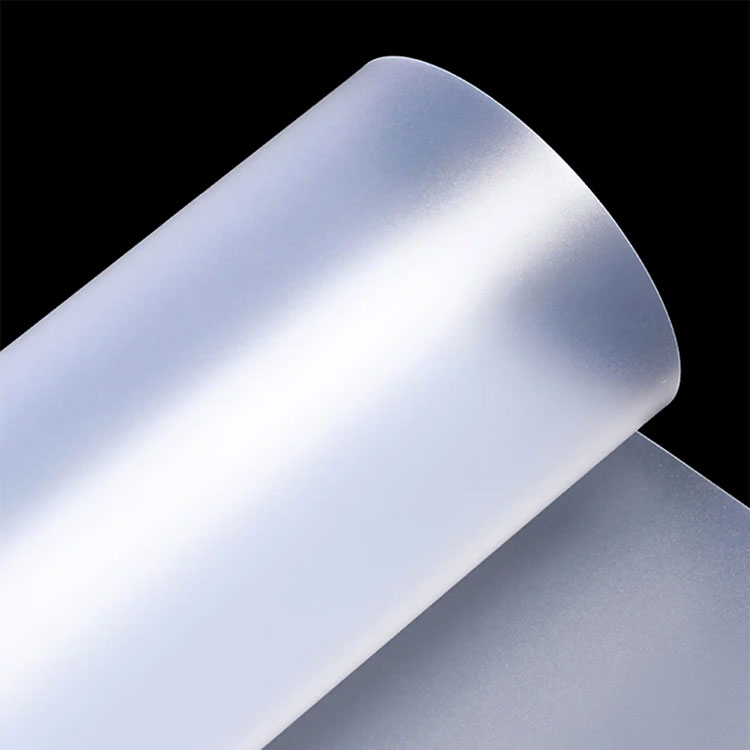
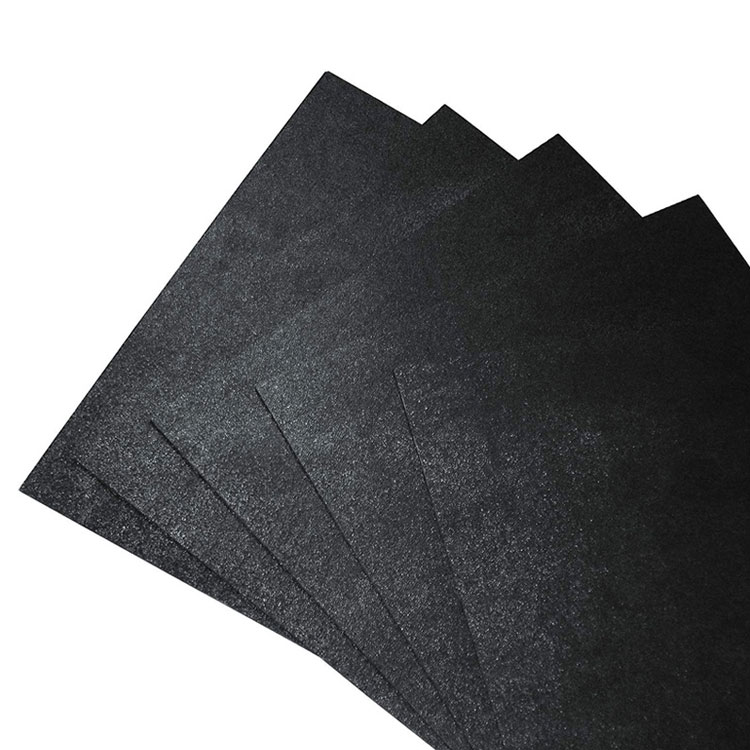
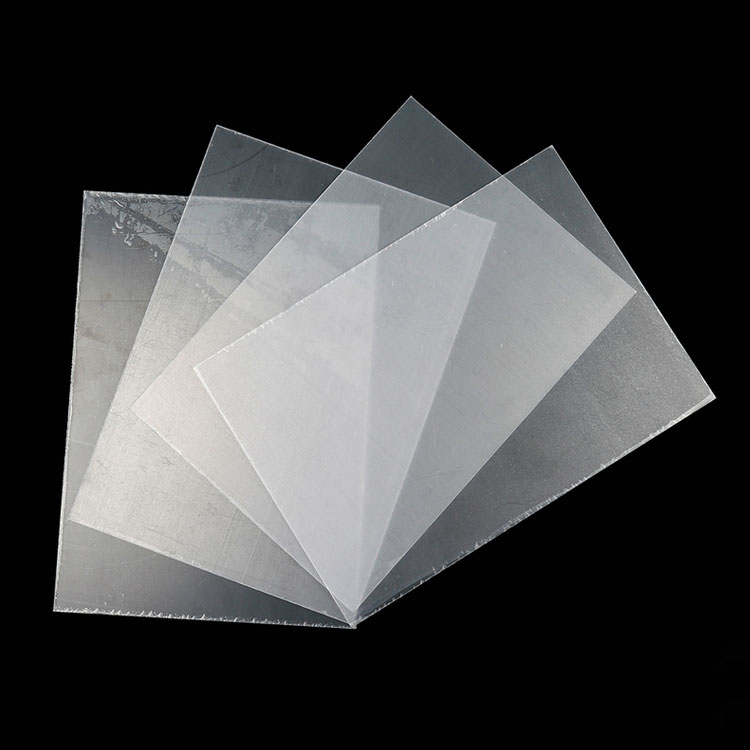
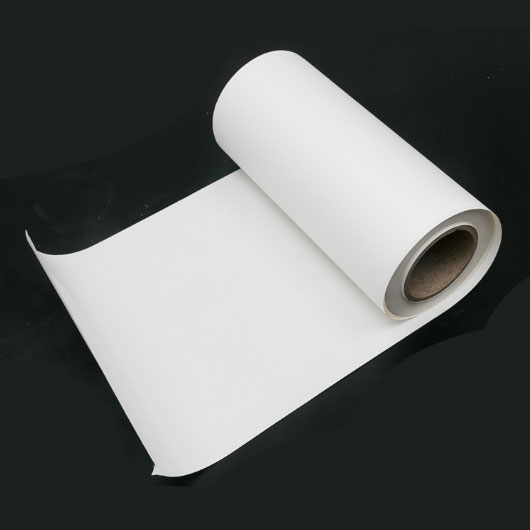
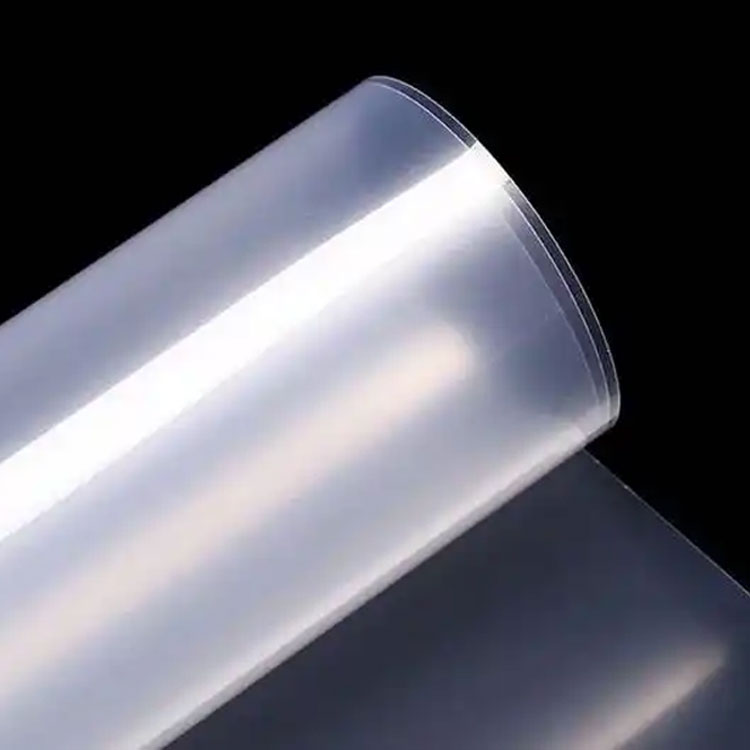
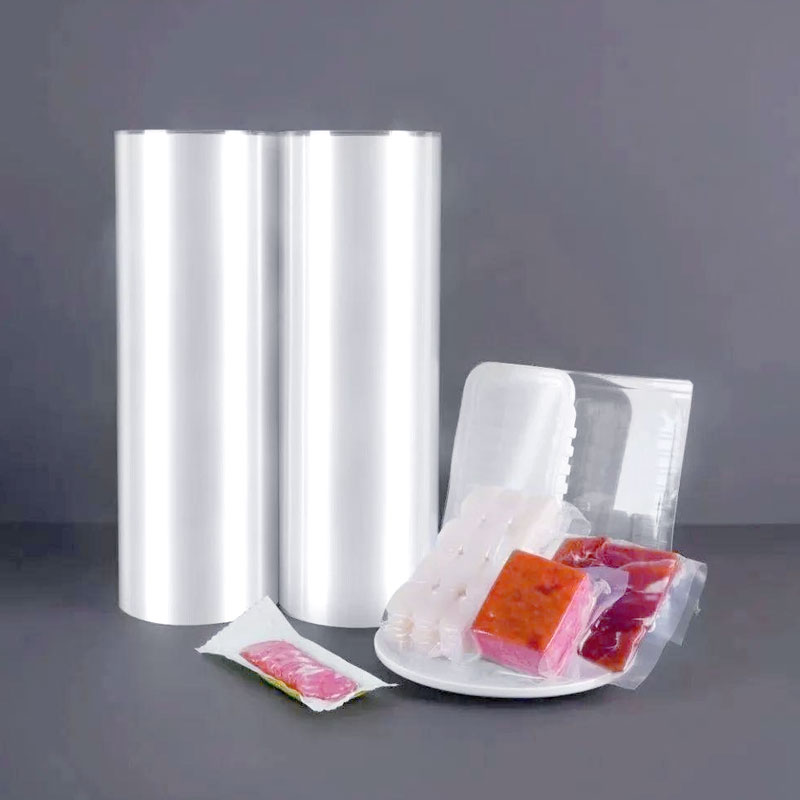
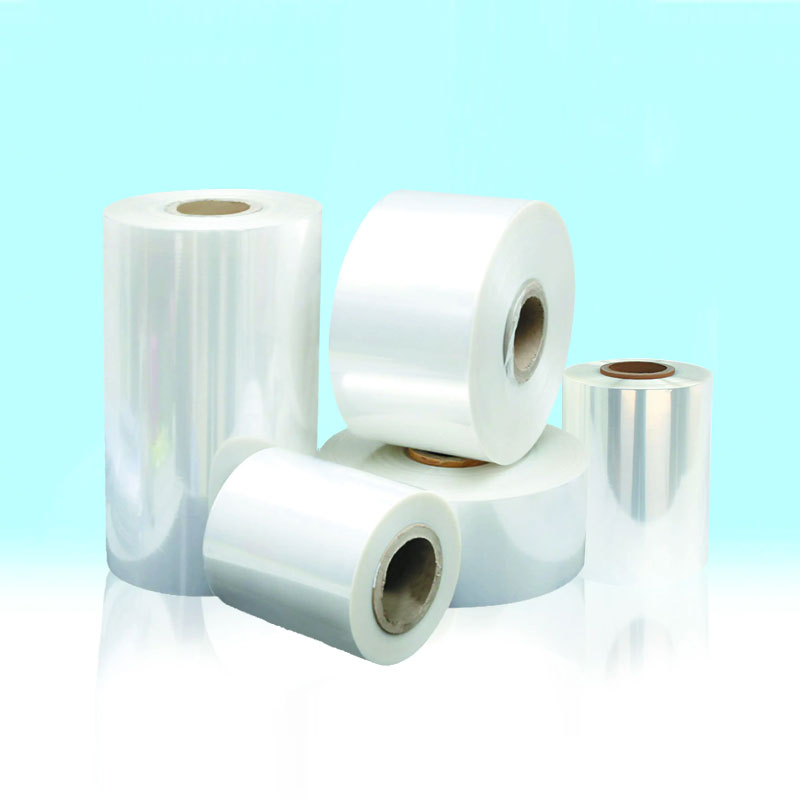
BlissPak serves as your strategic partner in thermoforming materials, supplying the essential foundation for exceptional packaging. We offer a curated selection of high-performance plastic sheets and rolls, including CPET, PVC, PET, APET, PP, ABS, PS, PLA and so on, in a complete range of gauges and formulations. Beyond supply, our expertise lies in matching the precise material characteristics - clarity, impact strength, formability, or compliance - to your specific product and production requirements. With BlissPak, you secure more than just materials; you gain a reliable source of quality, consistency, and technical guidance that flows directly into the success of your finished packaging.
Download Blister Packaging Materials
Search Ranking of Blister Packaging Raw Materials
High Barrier PackagingThermoformable Plastic MaterialsClear Sheet PlasticBlister Pack Roll MaterialsBlister Packaging Sheet MaterialVacuum Forming Materials FAQs
We recommend a three-step framework. First, we define the non-negotiable requirements: product protection (e.g., impact, barrier), regulatory status (e.g., food contact), and end-user experience (e.g., clarity, feel). Second, we benchmark available materials against these requirements, weighing upfront cost against performance and long-term supply stability. Finally, we validate the choice through prototyping. This structured approach moves the conversation from "Which plastic?" to "What does success require?" ensuring the material is a strategic fit, not just a commodity purchase.
This is a core challenge we help clients navigate. The key is not just offering "green" materials, but engineering a viable solution. We start by understanding your priority: is it recycled content, end-of-life recyclability, or reducing carbon footprint? Then, we match this with materials like rPET or bio-based polymers, and provide a clear analysis of their performance against standard grades, cost implications, and supply chain readiness. Our role is to turn your sustainability ambition into a practical, executable specification without compromising your product's success.
We act as an extension of your team. Our support includes guidance on optimal forming temperatures and cycle times for the selected material, troubleshooting advice for common forming issues, and sharing industry best practices for storage and handling to ensure material performance is maintained from our warehouse to your production line.
We are built to support innovation. We specialize in flexible ordering to accommodate prototyping and initial production runs. For custom blends, we collaborate closely with our network of trusted compounders to develop solutions for unique requirements, focusing on making new product development accessible and less risky for startups.
Three factors are paramount: material selection, process control, and tooling design. A high-clarity, virgin-grade polymer is the foundation. During forming, precise control of heating time and temperature ensures even material distribution without degradation. Finally, a polished mold surface and proper cooling rate are critical for achieving optical clarity and consistent crystallinity, which directly translates to strength. Understanding these variables is key to predicting performance.
You may want to know about Vacuum Forming Materials
BlissPak serves as your strategic partner in vacuum forming materials, supplying the essential foundation for exceptional blister packaging and thermoformed products. We offer a curated selection of high-performance plastic sheets and rolls, engineered for stable forming, consistent thickness, and reliable end-use performance across automated and semi-automated production lines.
Our full material portfolio covers all mainstream and high-performance grades, available in a complete range of gauges and custom formulations to match your product, industry, and processing needs:
- PVC, PET, APET for excellent clarity, rigidity, and retail-friendly display
- PP for superior chemical resistance, toughness, and low-temperature performance
- PS for cost-effective formability and clean visual presentation
- ABS for high structural strength and heavy-duty protective packaging
- PLA for renewable, eco-friendly, compostable sustainable solutions
- CPET for outstanding high-temperature resistance and food-safe applications
In addition to our core commodity grades, we also provide specialized high-barrier materials and niche specialty thermoforming grades, designed for oxygen-sensitive, moisture-sensitive, or high-demand packaging scenarios where standard materials cannot meet performance requirements.
Tailored Material Matching for Your Production
Beyond material supply, our expertise focuses on aligning precise material characteristics with your specific product and production goals. We carefully evaluate and recommend based on key performance demands:
- Optical clarity and surface finish for premium retail display
- Impact strength and rigidity for transport and stacking protection
- Heat resistance for food heating, industrial processing, and high-temperature environments
- Food contact compliance, safety, and non-toxic formulations
- Formability and stability to reduce waste in deep-draw and complex shaping
- Sustainable and biodegradable properties for green brand positioning
This targeted selection ensures smooth vacuum forming cycles, consistent dimensions, fewer defects, and finished packaging that performs reliably in real-world use.
Quality Consistency and Professional Technical Support
At BlissPak, every batch of vacuum forming materials is inspected for uniform thickness, stable physical properties, and consistent forming behavior. Our technical team provides professional guidance from material selection to on-site production optimization, helping improve efficiency, reduce scrap, and achieve stable, high-quality output.
With BlissPak, you secure more than just materials; you gain a reliable source of quality, consistency, and technical guidance that flows directly into the success of your finished packaging.
Partner with BlissPak for Your Material Solutions
Whether you require standard plastic sheets for mass production, food-safe grades, eco-friendly options, or specialized high-barrier and performance materials, we deliver a full-range, client-centered solution.
Contact us today to discuss your vacuum forming material requirements and let us support your production with dependable, high-quality plastic sheets.