
What is plastic blister packaging?
Plastic blister packaging is a widely used form of packaging that involves a pre-formed plastic cavity (the "blister") designed to securely hold a product. It is commonly used for consumer goods, pharmaceuticals, electronics, and retail products because it offers excellent product visibility, protection, and tamper resistance.
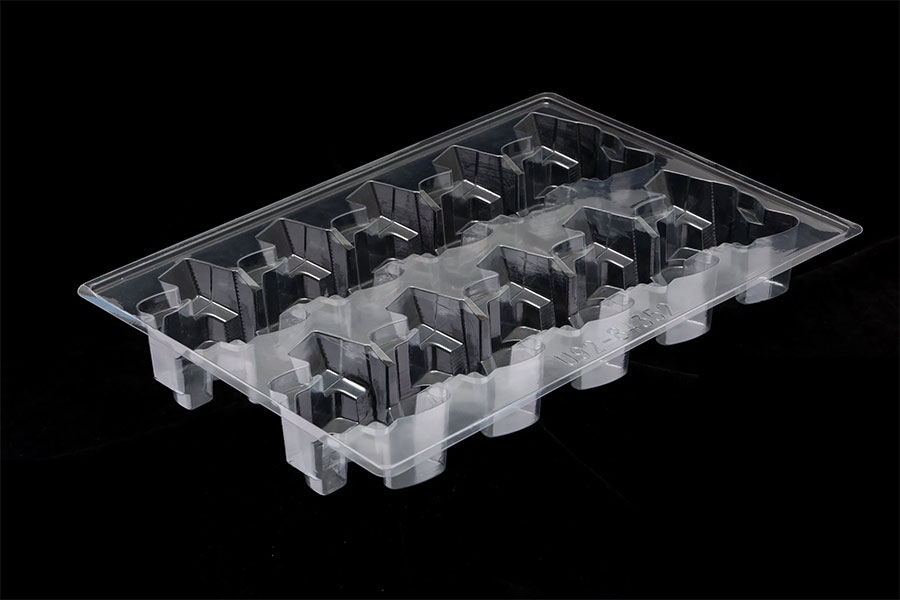
How Does Blister Packaging Work?
Blister packaging typically consists of two main components:
1. The Blister (Cavity): A pre-formed plastic pocket made from materials such as PVC (polyvinyl chloride), PET (polyethylene terephthalate), or RPET (recycled PET). This part is molded to the exact shape of the product to hold it securely in place.
2. The Backing (Lidding): A layer of material-often aluminum foil, paperboard, or plastic film-that is sealed to the blister to enclose the product.
The most common type is face seal blister packaging, where the blister is sealed to a printed paperboard card. Another variation is clamshell packaging, where two halves of plastic are hinged together, often used for electronics or hardware.
Common Types of Blister Packaging
Face Seal: A plastic blister is sealed to a flat paperboard card.
Uses: Toys, batteries, small hardware, cosmetics
Clamshell: A one-piece plastic container with a hinge, often heat-sealed around the edges.
Uses: Electronics, tools, food, medical devices
Trap Blister: The product is placed between a plastic blister and a paperboard card that has a clear window.
Uses: Small retail items, collectibles
Slide Blister: The blister slides into a paperboard sleeve.
Uses: Knives, tools, cosmetics
Key Benefits of Blister Packaging
1. Product Visibility
One of the main advantages is that customers can see the product clearly before purchase. The transparent plastic allows for visual inspection without opening the package, which builds consumer confidence.
2. Protection
Blister packaging provides excellent protection against:
Physical damage: The rigid plastic shields products from impact, crushing, and scratches.
Moisture and contamination: When properly sealed, it creates a barrier against dust, humidity, and germs - making it ideal for medical and pharmaceutical products.
3. Tamper Evidence
For pharmaceuticals and high-value retail items, blister packs often feature tamper-evident seals. If the seal is broken or damaged, it is immediately noticeable, ensuring product safety and integrity.
4. Customization
Blister packaging can be custom-molded to fit virtually any product shape. The backing cards can also be fully printed with branding, product information, and marketing graphics.
5. Lightweight and Cost-Effective
Compared to rigid boxes or metal containers, blister packaging is relatively lightweight, which reduces shipping costs. It is also efficient for high-volume production.
Common Materials Used
PVC (Polyvinyl Chloride): The most common material, known for clarity, durability, and low cost.
PET / RPET (Polyethylene Terephthalate): A more environmentally friendly option, fully recyclable and often made from recycled content.
PETG (Glycol-Modified PET): Offers higher impact resistance and better clarity than standard PET.
Aluminum Foil: Commonly used for pharmaceutical blister packs (e.g., pill packs) due to its excellent barrier properties.
Environmental Considerations
Traditional plastic blister packaging has faced criticism due to environmental concerns. However, the industry is evolving with more sustainable options, including:
RPET (recycled PET): Using post-consumer recycled plastic.
Biodegradable plastics: Materials designed to break down more quickly.
Paper-based alternatives: Some manufacturers are replacing the plastic blister with molded fiber or paperboard.
Consumers are also encouraged to check local recycling guidelines, as not all blister packaging is accepted in standard curbside recycling programs.
Plastic blister packaging is a versatile, protective, and visually appealing packaging solution used across many industries. While it offers clear advantages in product safety, display, and tamper resistance, ongoing innovations are making it more sustainable. Whether you are packaging a pharmaceutical tablet, a toy, or a power tool, blister packaging remains one of the most effective ways to present and protect a product.