
Phone: +86 15398058207
E-mail: sales@blisspak.com
Add: Room 603 Building C, The Huixin Center, Zhangba One Road, Yanta Zone, Xi'an City, Shaanxi Province, China
How Does a Blister Packaging Machine Work?
Blister packaging machines are essential pieces of equipment widely utilized across the pharmaceutical, food, retailing, nutritional supplement industries and soon. These machines are designed to encapsulate products such as medicines, capsules, toys, and hardware tools into pre-formed cavities made of transparent plastic or aluminum foil. This process, which involves heating and shaping the material, not only protects the product from external contaminants but also extends its shelf life and facilitates convenient storage and transportation. Renowned for their excellent sealing properties, compliance with strict hygienic standards, and space-efficient design, blister packaging machines are a cornerstone of modern packaging lines.
Given their critical role, selecting the right packaging equipment can raise many questions. For instance,you may wonder how to choose a suitable machine,how blister packaging machine works and so on. This article aims to answer these questions in detail, providing a clear understanding of the operational principles of blister packaging machines and their diverse applications.
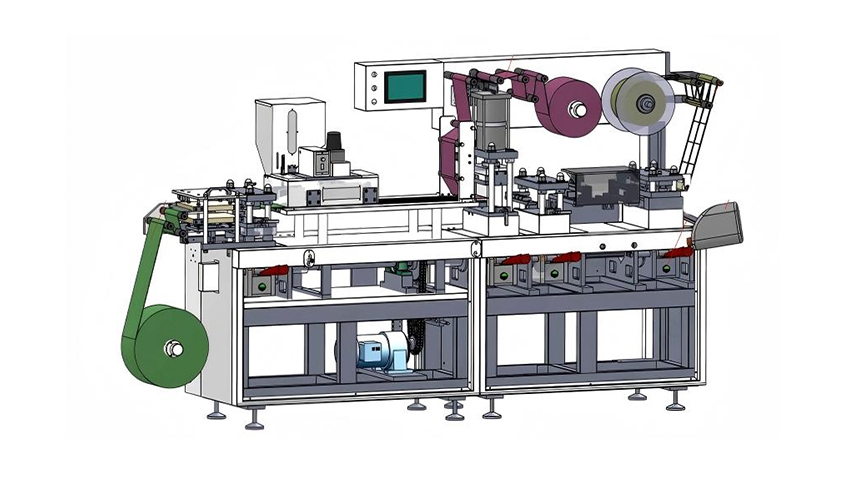
1. Working Principle of a Blister Packaging Machine
The operation of a blister packaging machine is a sophisticated yet streamlined process that transforms flat packaging materials into secure, protective containers. The core operation of a blister packaging machine comprises four key stages:
Blister Forming
The process begins by feeding the primary packaging material—typically a plastic film like PVC—into the machine. The film passes through a heating system that softens it to a sufficient temperature. Once heated, the film moves to a forming station where it is pressed or drawn into a mold using compressed air or mechanical plugs, creating blisters of a specific depth and shape. For products requiring particularly deep cavities, a physical plug-assist device can be used to ensure even material distribution.
Blister forming generally falls into two different methods:
Thermoforming (Hot Molding): This method is predominantly used for plastic materials. The material is heated and then either vacuum drawn or pressed with compressed air into the mold. Thermoforming is fast, cost-effective, and ideal for packaging most standard tablets and capsules.
Cold Forming: For moisture-sensitive products that cannot tolerate heat, cold forming is the preferred method. It uses specialized materials, such as aluminum-based laminates, which are pressed into shape by high pressure at room temperature. While this method offers superior barrier protection against moisture and oxygen, the forming speed is generally slower compared to thermoforming.
Filling
After the blister cavities are formed, the machine moves to the filling station. Here, the products are automatically loaded into the individual blisters. If an automatic system is used, a precise positioning system is required during the feeding process to ensure that the product is accurately filled into each blister.
Sealing
After the product is filled,the next step is the sealing process. The sealing process typically employs either heat-sealing or cold-sealing techniques to securely bond the blister to the backing material (e.g., aluminum foil or paper), ensuring package integrity and product safety. Heat sealing involves the use of high temperatures to melt and fuse the two material layers together, whereas cold sealing relies on pressure and specialized adhesives, making it particularly suitable for packaging temperature-sensitive products.It should be noted that the temperature and time of heat sealing have a great impact on the quality of the packaging. A typical setting for sealing PVC with standard foil might be around 160°C. If the temperature is too high or the sealing time too long, the material can be damaged. Conversely, if it's too low or too short, the seal will be weak and unreliable, compromising product safety.
Cutting and Shaping
In the final step, each packaged products are precisely trimmed and separated by the punching station to form the individual blister packages.This step demands extremely accurate registration to ensure that each pack is cut neatly and correctly.
Mastering these four stages requires a comprehensive understanding of material properties, mold design, and machine automation. The efficiency and accuracy of this process directly impact the quality, appearance, and overall production throughput.
2. Types of Blister Packaging Machines
To meet varying production scales and budget requirements, blister packaging machines are generally categorized into into the following categories according to how they are used:
Manual Blister Packaging Machine:
The entry-level machines are ideal for start-ups, laboratories, or small-scale production.They are simple to operate and have a low initial cost. However, heat sealing and cutting require a lot of effort,consequently, it's labor-intensive, time-consuming, and inefficient.
Semi-Automatic Blister Packaging Machine:
Semi-automatic machines require some manual assistance, typically for loading materials, while the machine performs the core packaging process. This makes them a cost-effective solution well-suited for small-batch production.
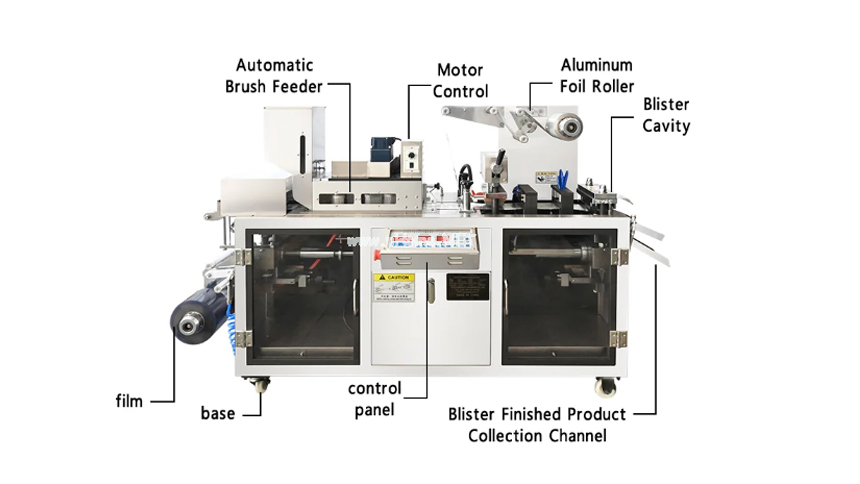
Fully Automatic Blister Packaging Machine:
Automatic machines handle every step of the process—from film feeding, heating, and forming to product feeding, sealing, and final cutting—without human intervention. These high-speed systems can package thousands of units per hour, significantly reducing labor costs while ensuring consistent, high-quality packaging with minimal waste.
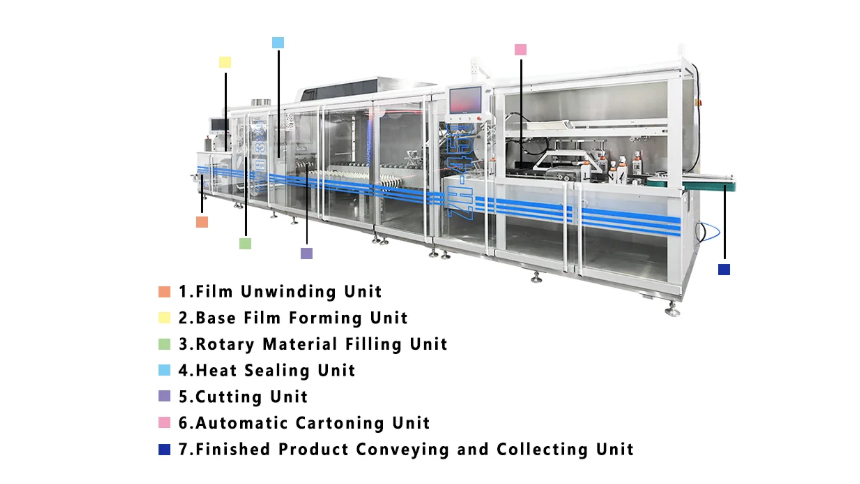
3. Where to Buy Reliable Blister Machines?
If you are looking to invest in a blister packaging solution, choosing a reliable manufacturer is crucial. BlissPak stands out as a professional blister machine manufacturer with advanced packaging technology. We are committed to delivering exceptional quality and support the customization of blister packaging lines to meet specific client requirements.If you are looking for blister machines at this time, please don't hesitate to leave us an inquiry!
- Disposable sushi tray with lid wholesale
- Custom Disposable Plastic Cups with Logo
- Is blister packaging cheap?
- How to Make Your Own Blister Packaging?
- Advantages of Wine Vacuum Trays
- Custom Packaging Solutions for Precious Metal
- Why choose BlissPak for vacuum forming services?
- What Are The Five Modern Packaging Materials
- Why Bamboo Food Containers Are Better Than Plastic
- The Benefits of Bamboo Fiber Material Food Packaging