
Phone: +86 15398058207
E-mail: sales@blisspak.com
Add: Room 603 Building C, The Huixin Center, Zhangba One Road, Yanta Zone, Xi'an City, Shaanxi Province, China
How to Choose Blister Packaging Materials
Blister packaging is everywhere around us: clear inserts holding electronics in shipments, fitted transparent lids for supermarket fruits, and blister cavities for capsules inside medicine boxes. These simple plastic sheets play a key role — they protect your goods, boost shelf appeal, and control packaging costs.
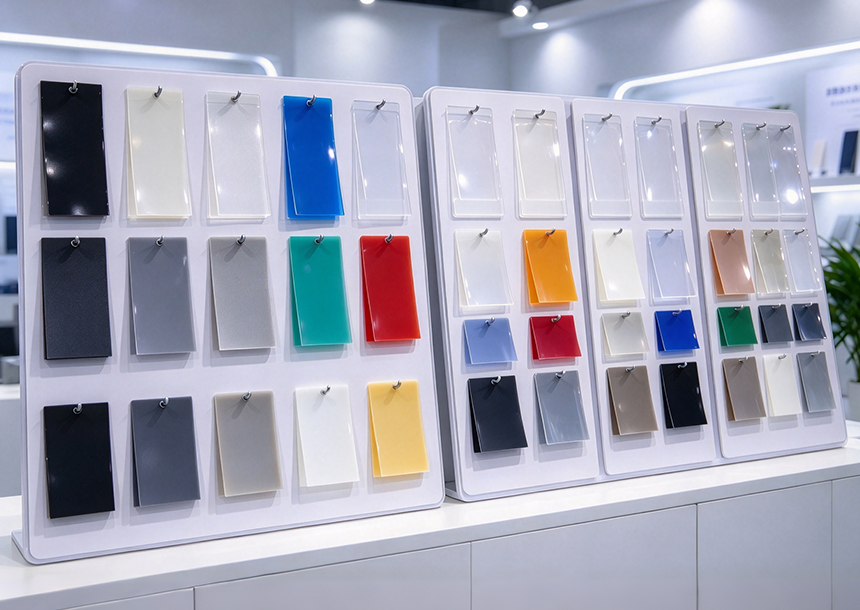
BlissPak explores the most widely used blister sheet materials to help you select the ideal option.
01. PVC (Polyvinyl Chloride) — Cost-Effective Industry Classic
PVC is one of the earliest and most widely used blister materials. With mature processing and low cost, it is a top pick for cost-sensitive bulk orders.
Key Benefits
- Low material cost, great for high-volume production
- Stable forming, high yield rate
- Decent transparency for product display
Main Limitations
- Releases harmful gas when burned, less eco-friendly
- Not food-contact safe
- Becomes brittle in cold conditions
Best for: Hardware, stationery, electronic outer covers and daily goods where food contact is not required.
02. PET (Polyethylene Terephthalate) — Clear & Food-Grade Eco Option
PET is the same material as water bottles. It is fast replacing PVC thanks to stricter environmental and food safety rules, and is now the mainstream for food blister packaging.
Key Benefits
- Non-toxic, food-contact certified
- Excellent glass-like transparency
- Recyclable
- Tough and hard to break
Main Limitations
- Pricier than PVC
- Needs precise mold temperature control during forming
- Risk of uneven wall thickness for deep-drawn parts
Best for: Fruit trays, pastry packs, fresh food, pharmaceutical blisters, cosmetic trays and gift packaging.
03. PP (Polypropylene) — Heat-Resistant Choice
PP stands out for heat resistance, widely used for microwave-safe food containers and baby product packaging.
Key Benefits
- Withstands temperatures over 100°C
- Food-grade, safe for maternal & baby products
- Flexible, bend-resistant
- Lightweight, lowers logistics cost
Main Limitations
- Transparency is average
- Impact strength drops in cold weather
- Longer forming cycle, slower production
Best for: Microwaveable food trays, ready meals, baby product packaging, high-temperature industrial and medical trays.
04. PS (Polystyrene) — Stiff for Electronic Inserts
PS features high rigidity. Finished blisters keep shape well without sagging, which makes it popular for electronics and precision component inserts.
Key Benefits
- High rigidity, maintains shape steadily
- Smooth surface, easy for printing
- Fast thermoforming speed
- Competitive price
Main Limitations
- Brittle and easy to crack under impact
- Deforms under high heat
- Not suitable for direct food contact
Best for: Phone / earbud inner trays, digital packaging, toy positioning inserts, stationery and precision part holders.
Quick Selection Guide
- Low cost, large volume, non-food → PVC
- Food-safe, eco-friendly, high clarity → PET
- High heat resistance, microwave / baby products → PP
- Stiff inserts for electronics & precision parts → PS
About BlissPak
Choosing the right plastic sheet is critical for your blister packaging. Our team can support you with material recommendation, prototyping and custom blister packaging design.
Reach out to BlissPak for your custom packaging solution.
- How to Choose Blister Packaging Materials
- Disposable sushi tray with lid wholesale
- Custom Disposable Plastic Cups with Logo
- Is blister packaging cheap?
- How to Make Your Own Blister Packaging?
- Advantages of Wine Vacuum Trays
- Custom Packaging Solutions for Precious Metal
- Why choose BlissPak for vacuum forming services?
- What Are The Five Modern Packaging Materials
- Why Bamboo Food Containers Are Better Than Plastic