
Phone: +86 15398058207
E-mail: sales@blisspak.com
Add: Room 603 Building C, The Huixin Center, Zhangba One Road, Yanta Zone, Xi'an City, Shaanxi Province, China
What is a blister for packaging?
What is Blister Packaging?
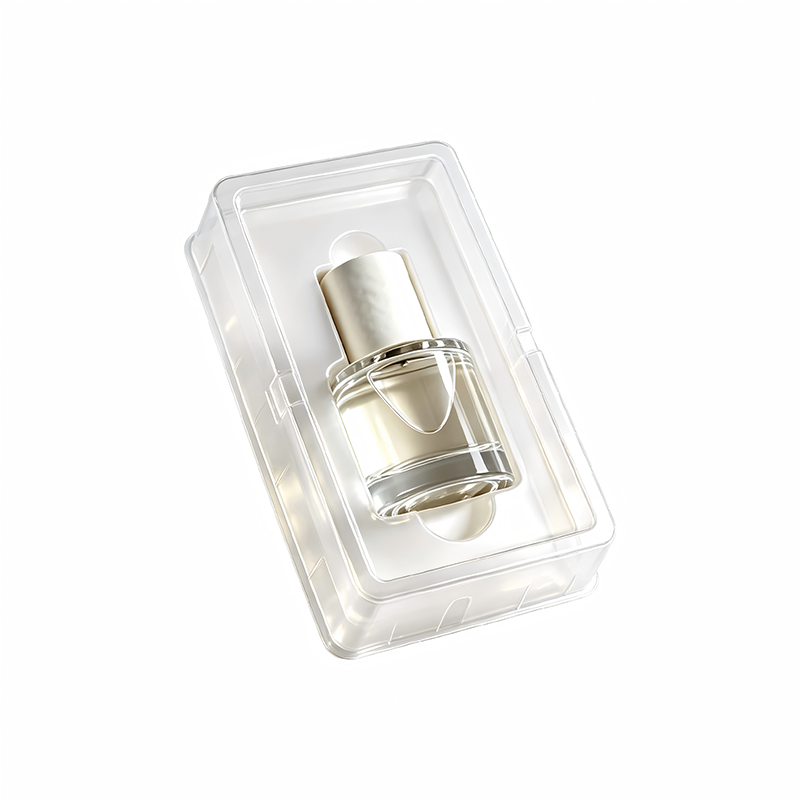
Blister packaging is a pre-formed plastic packaging system that uses a cavity or "pocket" made from a transparent thermoformed plastic sheet to hold a product, which is then sealed to a backing material (usually paperboard or foil). It is one of the most common packaging formats, widely used for pharmaceuticals, consumer goods, electronics, and food items.

Core Structure
A standard blister pack consists of three key components:
Blister / Cavity: The transparent, formed “bubble” that holds the product. It is typically made from plastics like PVC, PET, or PP, using a thermoforming process (heating and shaping the plastic over a mold). The cavity is custom-designed to fit the product snugly, providing physical protection and visibility.
Backing / Card: The flat base material, often paperboard, but sometimes aluminum foil or plastic film. The backing not only seals the blister but also serves as a print surface for branding, instructions, barcodes, and regulatory information.
Lidding / Seal: – A layer (often coated with a heat‑seal adhesive) that bonds the blister’s flange to the backing. This seal is created by applying heat and pressure, locking the product inside.
Common Types of Blister Packaging
Based on the sealing and design, blister packs fall into several categories:
Face Seal: The blister is sealed only along its flange (rim) to the backing. This is the most common and cost‑effective type.
Full Face Seal: The entire back surface of the blister is adhered to the backing, offering a stronger, more tamper‑evident closure.
Trapped Blister: The blister is sandwiched between two layers of backing material, fully enclosing the product for a clean, premium look.
Slide Blister: The blister slides like a drawer over a cardboard card, allowing easy product access while still offering display benefits.
Clamshell: Formed from a single sheet of plastic folded in half, hinged like a clam. It provides heavy‑duty protection and is often used for larger or heavier items.
Pharmaceutical Blister: The classic push‑through pack for tablets and capsules. It uses a thin plastic cavity and a foil lidding; the user pushes the pill through the foil to dispense it.
Blister packaging Key Advantages
Blister packaging is so widely adopted because it offers multiple benefits:
Product Visibility: The clear plastic allows consumers to see the actual product before purchase, boosting confidence and aiding buying decisions.
Protection: The rigid cavity holds the item securely, reducing movement and damage during shipping. When using barrier materials (e.g., aluminum foil), it also protects against moisture, oxygen, and light, which is critical for pharmaceuticals and sensitive foods.
Tamper‑Evident: Once the seal is broken, it cannot be resealed without visible damage, providing clear evidence of any prior opening. This is essential for safety and security.
Child‑Resistant Options: Certain blister designs can be made difficult for children to open, reducing the risk of accidental ingestion of medications.
Marketing & Branding: The large, printable backing card offers ample space for attractive graphics, product details, and promotional messages.
Cost‑Effectiveness: For high‑volume production, blister packaging is highly automated and economical, especially with lightweight materials.
Typical Applications
Pharmaceuticals: The most extensive use: packaging pills, capsules, and lozenges.
Consumer Goods: Small hardware (screws, nails), toys, stationery, cosmetics, batteries, headphones, and other electronics.
Food & Confectionery: Gum, mints, candies, and some single‑serve health supplements.


- Disposable sushi tray with lid wholesale
- Custom Disposable Plastic Cups with Logo
- Is blister packaging cheap?
- How to Make Your Own Blister Packaging?
- Advantages of Wine Vacuum Trays
- Custom Packaging Solutions for Precious Metal
- Why choose BlissPak for vacuum forming services?
- What Are The Five Modern Packaging Materials
- Why Bamboo Food Containers Are Better Than Plastic
- The Benefits of Bamboo Fiber Material Food Packaging