
Phone: +86 15398058207
E-mail: sales@blisspak.com
Add: Room 603 Building C, The Huixin Center, Zhangba One Road, Yanta Zone, Xi'an City, Shaanxi Province, China
How to Reduce Plastic Waste in Blister Packaging?
Four Proven Ways to Reduce Plastic Waste in Blister Packaging (Without Losing Product Safety)
Plastic waste is no longer just an environmental topic, it is a business requirement. From EU plastic taxes to retailer sustainability scorecards, buyers are demanding greener packaging. But here is the challenge every packaging manager faces: how do you reduce plastic waste without sacrificing product protection, shelf appeal, or production efficiency?
The good news is that you don't have to choose between sustainability and performance. At BlissPak, we have helped dozens of brands reduce plastic waste while maintaining, and sometimes improving, their packaging quality. Here are four proven methods.
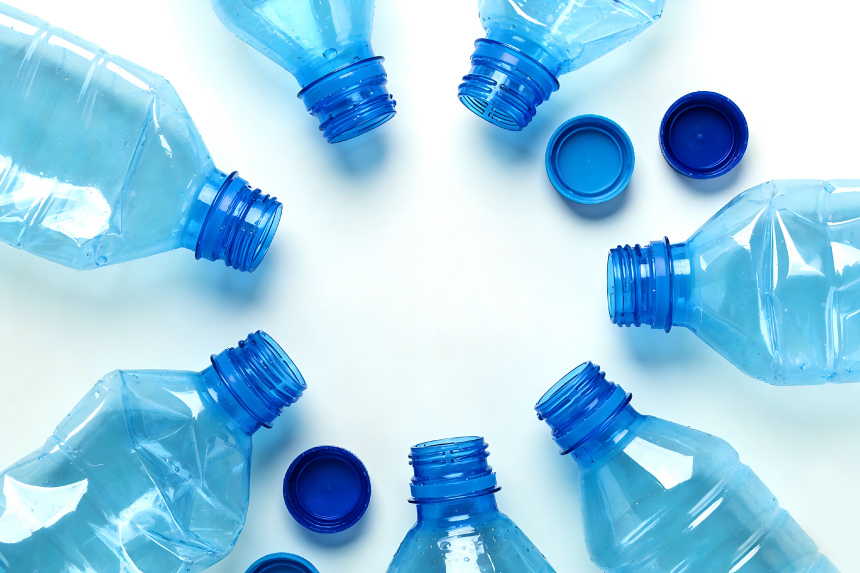
1. Switch to Recyclable Materials: From PVC to PET or RPET
For decades, PVC (polyvinyl chloride) has been a common choice for blister packaging because it is cheap and easy to form. However, PVC is difficult to recycle and releases harmful chemicals when incinerated. Many retailers and recycling facilities simply reject it.
The solution: Switch to PET (polyethylene terephthalate) or RPET (recycled PET).
PET is the same material used for water bottles. It is widely accepted by recycling programs worldwide. Even better, RPET contains post-consumer recycled content, meaning you are directly reducing demand for virgin plastic.
What this means for your business:
Same clarity and durability as PVC
Compatible with most existing molds
Instantly improves your sustainability profile
Often preferred by eco-conscious retailers like Whole Foods, Target, and Aldi
The result: You reduce virgin plastic use without changing your production line.
Lightweighting: Thinner Walls, Same Strength
One of the most effective ways to reduce plastic waste is simply to use less plastic per package. This is called lightweighting, reducing the thickness of the plastic sheet while maintaining structural integrity.
The old belief was that thicker means stronger. That is not always true. With modern thermoforming technology and precise mold design, we can distribute material exactly where it is needed, thicker at stress points and thinner everywhere else.
How BlissPak does it:
Using finite element analysis (FEA) software to simulate stress points
Optimizing mold design for uniform material distribution
Testing for stack strength, puncture resistance, and seal integrity
Typical results: 15–20% reduction in material weight with no measurable loss in performance.
For a high-volume buyer, this means:
Lower material costs per unit
Less plastic waste going into the environment
Lower shipping weight, reducing transport emissions
Lightweighting is a win-win-win - for your budget, your brand, and the planet.
Simplify Structures: Go Mono-Material
One of the biggest problems in packaging recycling is mixed materials. A blister card that combines plastic, paperboard, and a heat-seal coating is extremely difficult to recycle. Most recycling facilities will simply send it to landfill.
The solution: Design for recyclability from the start.
Instead of a plastic blister glued to a coated paper card, consider
All-plastic clamshells with hinge lids (no paper, no glue)
Trapped blisters where the plastic is mechanically locked to a paper card (easier to separate)
Mono-material PET blisters with PET-based lidding film
Why this matters:
Recycling facilities love mono-material packaging because it can be shredded, melted, and reformed without costly separation steps. Some retailers now require packaging to pass "recyclability testing" before they will stock your product.
Action step for buyers:
Ask your packaging supplier: "Can my current design be recycled in standard municipal recycling streams?" If the answer is no, it is time to redesign.
Explore Bio-Based & Compostable Alternatives
For brands that want to go beyond recycling, PLA (polylactic acid) is a viable option. PLA is made from renewable resources like corn starch or sugarcane. It is not a magic solution — it requires industrial composting facilities to break down properly — but it is a meaningful alternative for specific applications.
When PLA makes sense:
Your products are sold in markets with industrial composting infrastructure (e.g., parts of Europe)
Your brand targets zero-waste or plastic-free consumers
You are willing to educate your customers on proper disposal
When to stick with PET/RPET:
Your products ship to regions without composting facilities
Price is a primary concern (PLA is typically more expensive)
You need maximum clarity and durability
At BlissPak, we offer both options and help you choose based on your specific supply chain and sustainability goals.
Real Results: A Case Study
One of our frozen food clients switched from PVC to RPET and implemented lightweighting on their existing molds. The results after six months:
| Metric | Before | After | Improvement |
|---|---|---|---|
| Plastic per tray | 18g | 14g | 22% reduction |
| Virgin plastic use | 100% | 40% (60% recycled) | 60% reduction |
| Cost per unit | Baseline | -8% | Lower cost |
| Retailer feedback | Neutral | Positive | Preferred supplier status |
They reduced plastic waste, saved money, and strengthened their retail relationships — all without changing their production line or product quality.
Ready to Reduce Your Blister Packaging Waste?
You don't need a complete packaging overhaul to make a difference. Start with one change — switch to RPET, lightweight an existing mold, or simplify a mixed-material design. Every kilogram of plastic saved is a step toward a more sustainable supply chain.
At BlissPak, we help brands like yours find practical, cost-effective ways to reduce plastic waste without compromising on quality. Whether you need a material upgrade, a design optimization, or a complete sustainability audit, our team is ready to help.
Contact BlissPak today for a free packaging waste reduction assessment.


- Disposable sushi tray with lid wholesale
- Custom Disposable Plastic Cups with Logo
- Is blister packaging cheap?
- How to Make Your Own Blister Packaging?
- Advantages of Wine Vacuum Trays
- Custom Packaging Solutions for Precious Metal
- Why choose BlissPak for vacuum forming services?
- What Are The Five Modern Packaging Materials
- Why Bamboo Food Containers Are Better Than Plastic
- The Benefits of Bamboo Fiber Material Food Packaging