
WeChat: 15398058207
Phone: +86 15398058207
E-mail: sales@blisspak.com
Add: Room 603 Building C, The Huixin Center, Zhangba One Road, Yanta Zone, Xi'an City, Shaanxi Province, China
Phone: +86 15398058207
E-mail: sales@blisspak.com
Add: Room 603 Building C, The Huixin Center, Zhangba One Road, Yanta Zone, Xi'an City, Shaanxi Province, China
Is Corn Starch Packaging the Future of Sustainable Packaging
Time: 2026-04-24 Source: Author: Monica
With the growing emphasis on eco-friendliness, plastics made of polylactic acids that are corn-based have gained popularity among people. Unlike traditional fossil-fuel resins, this annually renewable feedstock offers a significant reduction in carbon intensity while maintaining the structural rigidity required for industrial supply chains. At BlissPak, we recognize that the move toward corn starch isn't just an environmental choice—it's a strategic maneuver to align brand identity with ESG (Environmental, Social, and Governance) targets and consumer demand for a circular economy. But what exactly makes this material so compelling for high-volume use?
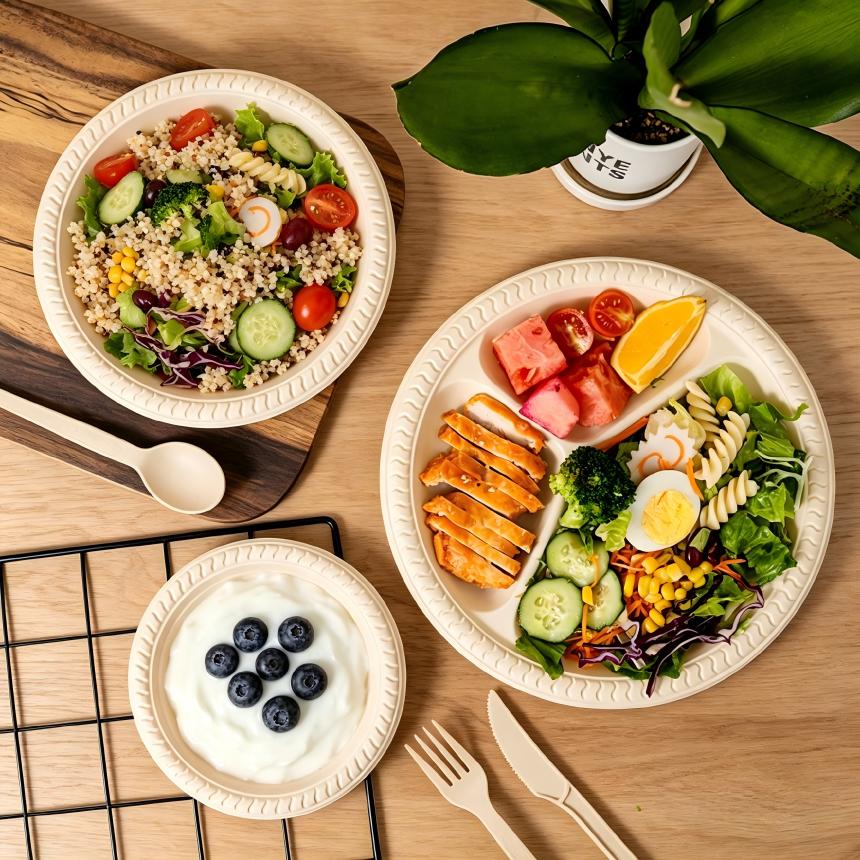 More importantly, is corn starch biodegradable, and what are the tangible advantages of corn starch packaging for your business? This article delves into these critical questions.
What Is Corn Starch Packaging?
Corn starch packaging is derived from natural starch extracted from corn and processed into a bioplastic—often in the form of PLA (polylactic acid). This bio-based plastic serves as the foundation for a wide range of eco-conscious packaging applications, such as containers, trays, boxes, loose-fill packaging and so on.
Unlike petroleum-based plastics, corn starch packaging is designed to break down into water, carbon dioxide, and organic matter under composting conditions.
Key Benefits of Corn Starch Packaging
1. Biodegradable and Compostable
One of the biggest advantages is its ability to decompose naturally. Under industrial composting conditions, corn starch packaging can break down within months, significantly reducing long-term waste. 2. Made from Renewable Resources
Corn is a renewable and widely available crop, unlike fossil fuels used in traditional plastics. This reduces dependency on non-renewable resources and supports more sustainable production systems. Its worldwide availability ensures seamless expansion, making it a practical choice to support business growth.
3. Lower Carbon Footprint
The production of corn starch packaging typically generates fewer greenhouse gas emissions than that of petroleum-based plastics. Additionally, corn plants naturally absorb carbon dioxide during growth, which helps offset emissions generated during the manufacturing process.
4. Food-Safe and Non-Toxic
Corn starch packaging is typically free from harmful chemicals such as BPA and phthalates, making it suitable for foodservice applications like takeaway containers, cutlery, and fresh produce packaging.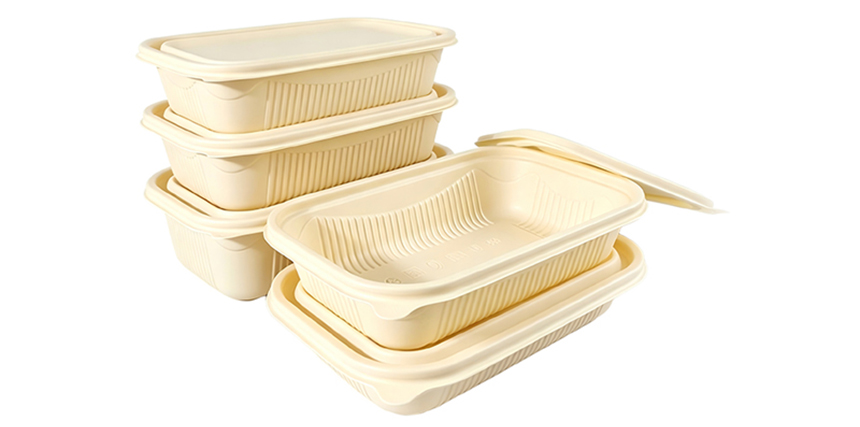 5. Versatility in Design From rigid containers to flexible films, corn starch materials can be adapted into various shapes and formats. This versatility allows businesses to apply it across industries including foodservice, retail, and logistics.
6. Enhancing Brand Perception
In today's competitive and sustainability-driven marketplace, adopting eco-friendly solutions such as corn starch packaging gains particular importance. For U.S. chain restaurants and major retailers, this choice speaks volumes about corporate values—translating directly into meaningful brand differentiation. It attracts environmentally conscious consumers, strengthens brand loyalty, and positions your brand as a responsible leader that meets modern expectations, ultimately helping to drive sales.
Applications Across Industries
Corn starch packaging is being adopted across a growing number of sectors. In the food industry, it is used for cutlery, plates, and wrappers. In e-commerce and retail, it serves as protective fillers and mailer bags. Hospitality businesses are also integrating corn starch packaging into daily operations to replace conventional single-use items.
Even specialty segments, such as the alcohol and spirits industry, are exploring sustainable alternatives. For example, companies that purchase whisky barrel products for packaging or gifting may now opt for biodegradable corn starch wrapping materials, effectively combining luxury presentation with eco-conscious values.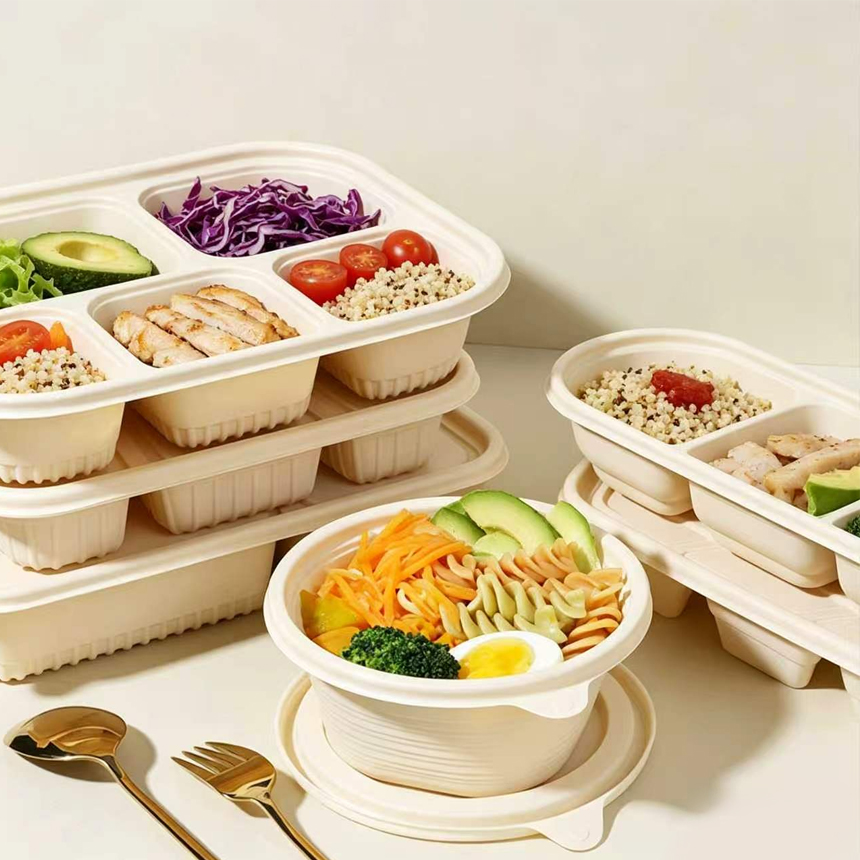 Corn Starch vs Traditional Plastic Packaging
Rather than a complete replacement, corn starch packaging should be viewed as a complementary solution.
Plastic excels in durability, barrier protection, and logistics efficiency
Corn starch excels in sustainability and eco-branding
The smartest approach is material matching—choosing the right packaging based on product requirements, supply chain conditions, and sustainability goals.
How BlissPak Supports Smarter Material Choices
At BlissPak, we recognize that no single material fits every application. That's why we focus on factory customization and scalable production solutions, helping brands select and develop the right packaging strategy.
Our approach includes:
Tailored packaging design based on product and usage scenarios
Integration of both traditional and eco-friendly materials (including corn starch options)
Advanced tooling for precision manufacturing
Efficient systems for bulk production at scale
Instead of forcing a one-material solution, BlissPak helps businesses balance performance, cost, and sustainability.
The Future of Corn Starch Packaging
Corn starch packaging represents an important step toward greener packaging—but its future depends on:
Improved material performance (heat resistance, strength)
Expansion of composting infrastructure
Better consumer education on disposal
Integration with hybrid packaging solutions
As technology evolves, corn starch-based materials will likely become more robust and widely adopted.
Final Thoughts
Corn starch packaging is not a silver bullet—but it is a powerful tool in the transition toward sustainable packaging.
It offers clear environmental benefits, strong market appeal, and growing versatility. However, its success depends on using it in the right applications and combining it with smart manufacturing strategies.
For brands looking to scale sustainably, the key is not just switching materials—but partnering with experts like BlissPak who can deliver customized, high-efficiency packaging solutions at scale.
Because the future of packaging isn't just biodegradable—it's intelligently designed.
What Is Corn Starch Packaging?
Corn starch packaging is derived from natural starch extracted from corn and processed into a bioplastic—often in the form of PLA (polylactic acid). This bio-based plastic serves as the foundation for a wide range of eco-conscious packaging applications, such as containers, trays, boxes, loose-fill packaging and so on.
Unlike petroleum-based plastics, corn starch packaging is designed to break down into water, carbon dioxide, and organic matter under composting conditions.
Key Benefits of Corn Starch Packaging
1. Biodegradable and Compostable
One of the biggest advantages is its ability to decompose naturally. Under industrial composting conditions, corn starch packaging can break down within months, significantly reducing long-term waste. 2. Made from Renewable Resources
Corn is a renewable and widely available crop, unlike fossil fuels used in traditional plastics. This reduces dependency on non-renewable resources and supports more sustainable production systems. Its worldwide availability ensures seamless expansion, making it a practical choice to support business growth.
3. Lower Carbon Footprint
The production of corn starch packaging typically generates fewer greenhouse gas emissions than that of petroleum-based plastics. Additionally, corn plants naturally absorb carbon dioxide during growth, which helps offset emissions generated during the manufacturing process.
4. Food-Safe and Non-Toxic
Corn starch packaging is typically free from harmful chemicals such as BPA and phthalates, making it suitable for foodservice applications like takeaway containers, cutlery, and fresh produce packaging.
6. Enhancing Brand Perception
In today's competitive and sustainability-driven marketplace, adopting eco-friendly solutions such as corn starch packaging gains particular importance. For U.S. chain restaurants and major retailers, this choice speaks volumes about corporate values—translating directly into meaningful brand differentiation. It attracts environmentally conscious consumers, strengthens brand loyalty, and positions your brand as a responsible leader that meets modern expectations, ultimately helping to drive sales.
Applications Across Industries
Corn starch packaging is being adopted across a growing number of sectors. In the food industry, it is used for cutlery, plates, and wrappers. In e-commerce and retail, it serves as protective fillers and mailer bags. Hospitality businesses are also integrating corn starch packaging into daily operations to replace conventional single-use items.
Even specialty segments, such as the alcohol and spirits industry, are exploring sustainable alternatives. For example, companies that purchase whisky barrel products for packaging or gifting may now opt for biodegradable corn starch wrapping materials, effectively combining luxury presentation with eco-conscious values.
Rather than a complete replacement, corn starch packaging should be viewed as a complementary solution.
Plastic excels in durability, barrier protection, and logistics efficiency
Corn starch excels in sustainability and eco-branding
The smartest approach is material matching—choosing the right packaging based on product requirements, supply chain conditions, and sustainability goals.
How BlissPak Supports Smarter Material Choices
At BlissPak, we recognize that no single material fits every application. That's why we focus on factory customization and scalable production solutions, helping brands select and develop the right packaging strategy.
Our approach includes:
Tailored packaging design based on product and usage scenarios
Integration of both traditional and eco-friendly materials (including corn starch options)
Advanced tooling for precision manufacturing
Efficient systems for bulk production at scale
Instead of forcing a one-material solution, BlissPak helps businesses balance performance, cost, and sustainability.
The Future of Corn Starch Packaging
Corn starch packaging represents an important step toward greener packaging—but its future depends on:
Improved material performance (heat resistance, strength)
Expansion of composting infrastructure
Better consumer education on disposal
Integration with hybrid packaging solutions
As technology evolves, corn starch-based materials will likely become more robust and widely adopted.
Final Thoughts
Corn starch packaging is not a silver bullet—but it is a powerful tool in the transition toward sustainable packaging.
It offers clear environmental benefits, strong market appeal, and growing versatility. However, its success depends on using it in the right applications and combining it with smart manufacturing strategies.
For brands looking to scale sustainably, the key is not just switching materials—but partnering with experts like BlissPak who can deliver customized, high-efficiency packaging solutions at scale.
Because the future of packaging isn't just biodegradable—it's intelligently designed.
- Disposable sushi tray with lid wholesale
- Custom Disposable Plastic Cups with Logo
- Is blister packaging cheap?
- How to Make Your Own Blister Packaging?
- Advantages of Wine Vacuum Trays
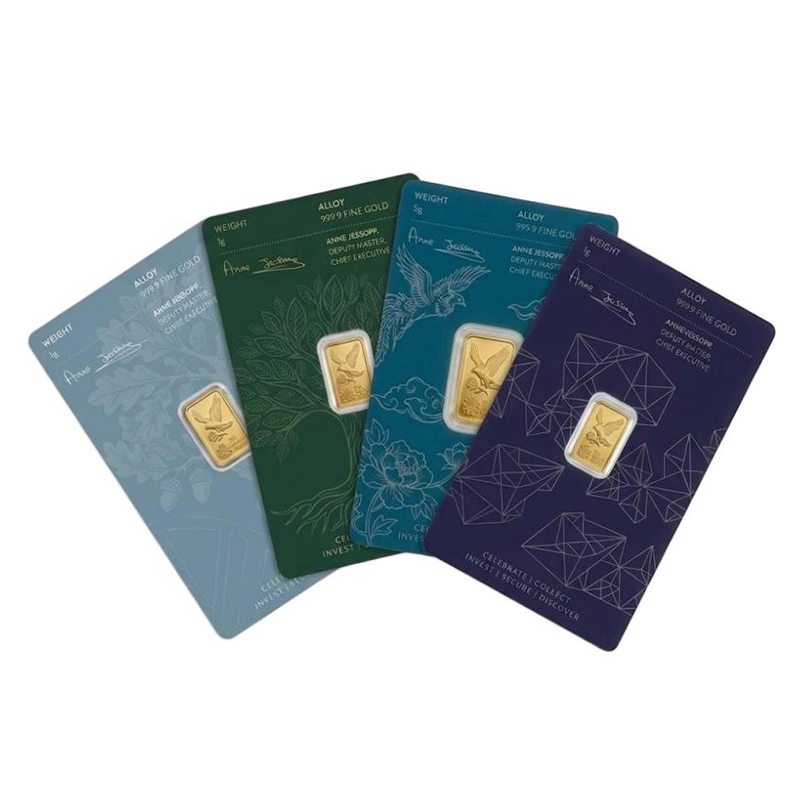
- Custom Packaging Solutions for Precious Metal
- Why choose BlissPak for vacuum forming services?
- What Are The Five Modern Packaging Materials
- Why Bamboo Food Containers Are Better Than Plastic
- The Benefits of Bamboo Fiber Material Food Packaging