
WeChat: 15398058207
Phone: +86 15398058207
E-mail: sales@blisspak.com
Add: Room 603 Building C, The Huixin Center, Zhangba One Road, Yanta Zone, Xi'an City, Shaanxi Province, China
Phone: +86 15398058207
E-mail: sales@blisspak.com
Add: Room 603 Building C, The Huixin Center, Zhangba One Road, Yanta Zone, Xi'an City, Shaanxi Province, China
What Is Blister Card Packaging
Time: 2026-04-22 Source: Blister Packaging Author: Monica
Blister card packaging is one of the most widely recognized formats in retail, commonly used for products such as batteries, electronics, pharmaceuticals, and personal care items. By combining product visibility, reliable protection, and strong branding opportunities, it has become a preferred packaging solution for businesses around the globe.
But what exactly is blister card packaging, and what makes it so popular across different industries?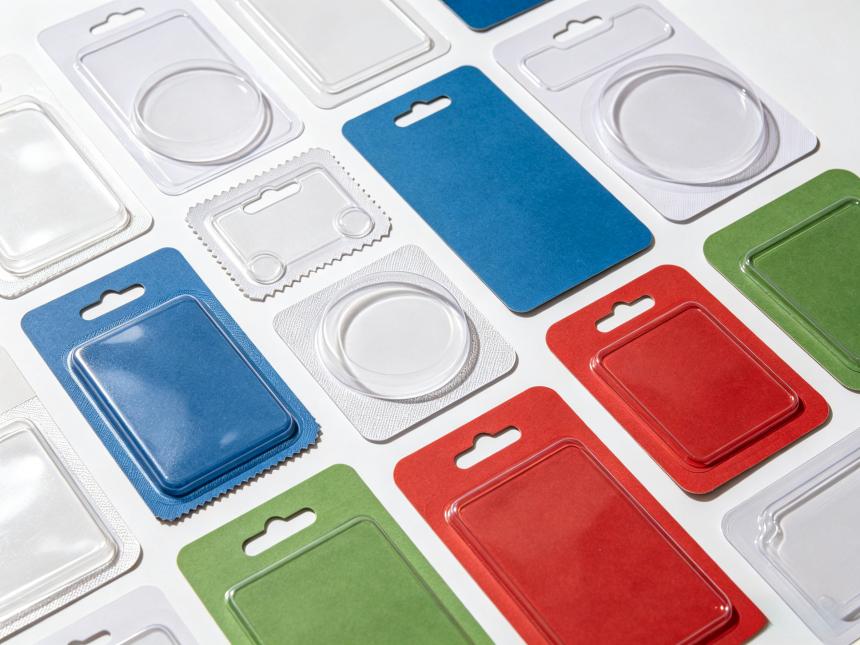 What Is a Blister Card
A blister card is a type of packaging that consists of a pre-formed plastic cavity (blister) sealed onto a printed cardboard backing card. This creates a secure, transparent enclosure that both protects the product and displays it clearly to consumers. The development of blister card packaging illustrates the industry's continuous drive to improve shelf life, strengthen product safety, and move toward more sustainable solutions. What began as a practical method for containing small items has evolved significantly, now shaped in large part by regulatory demands—especially in the medical sector, where dosage accuracy and traceability are critical.
At its core, blister card packaging depends on the precise integration of thermoformed plastics or aluminum foil with specially coated paperboard, requiring careful material selection and tightly controlled production processes. This coordinated approach has elevated blister packaging from a simple containment solution to an essential element in safeguarding both the supply chain and end consumers.
Blister cards are commonly used in:
Pharmaceuticals (tablets, capsules)
Consumer electronics
Hardware and DIY products
Cosmetics and personal care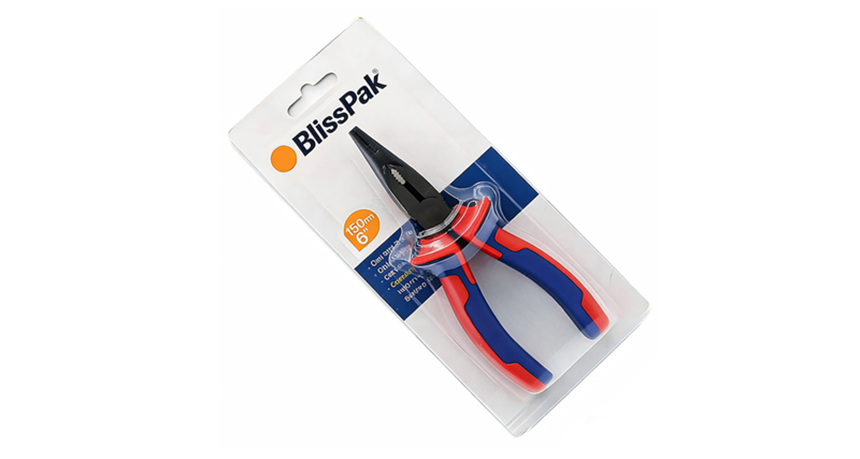 Key Components of Blister Card Packaging
A typical blister card package includes:
Plastic blister (cavity): Holds and protects the product
Backing card: Printed paperboard for branding and instructions
Sealing layer: Bonds the plastic to the card using heat and pressure
These elements must be precisely engineered to ensure durability, product safety, and visual appeal.
Types of Blister Card Packaging
Blister card packaging is not one-size-fits-all. Different structures are used depending on product requirements:
1. Face Seal Blister
As a highly cost-effective format, face-seal blister packaging involves a high-integrity thermal bond between the thermoformed cavity and the substrate surface. This streamlined architecture is engineered for maximum throughput in high-speed automated packing lines, making it the definitive choice for mass-market consumer goods.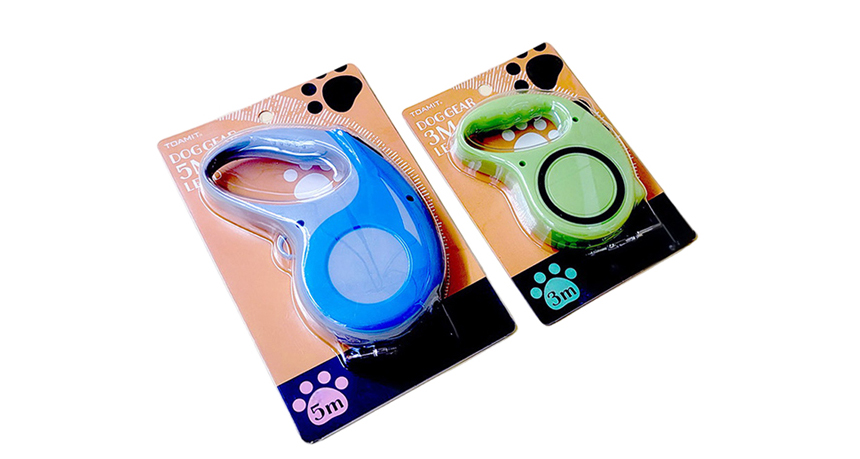 2. Full Card Blister
Full card blister packaging uses a plastic blister pack that completely covers the card. A heat sealing process seals the blister flange to the back of the card, forming a seamless enclosure. This design significantly enhances the structural rigidity of the packaging and provides excellent abrasion and impact resistance.
3. Trap Blister
Trap blister packaging represents a significant structural innovation. By embedding and sealing the blister flange between two layers of cardboard, it significantly improves packaging security and overall aesthetics, but correspondingly increases manufacturing complexity.
Key Benefits of Blister Card Packaging
1. Excellent Product Visibility
Blister packaging is often called "visibility packaging" because it allows consumers to see the product clearly before purchase.
2. Strong Protection and Safety
The rigid plastic cavity protects products from moisture, dust, and physical damage, while also extending shelf life in many applications.
3. Tamper Resistance and Security
In highly regulated sectors, the structural design of the blister card serves as a primary security feature. High-bond sealing technology ensures that any attempt to access the product results in irreversible visual deformation of the card substrate. This tamper-evident architecture provides a definitive layer of protection for pharmaceuticals and high-value retail goods, reinforcing consumer confidence by guaranteeing that the product has remained untouched and uncompromised throughout the entire supply chain.
4. High Efficiency for Mass Production
With automated processes integrating forming, filling, sealing, and cutting, blister card packaging supports high-speed manufacturing and consistent quality.
5. Versatility Across Industries
From small retail items to medical products, blister cards adapt to a wide range of product shapes and requirements.
Where BlissPak Adds Value
While blister card packaging offers inherent advantages, the real competitive edge lies in customization and production capability.
At BlissPak, we specialize in:
Factory customization: Designing blister card structures tailored to your product
Advanced tooling for precise cavity forming and sealing
Optimized systems for bulk production and high output efficiency
Support for both traditional and eco-friendly material solutions
Whether you need cost-effective face seal blister cards or premium trap blister designs, BlissPak ensures your packaging aligns with both functional and branding goals.
The Future of Blister Card Packaging
Blister card packaging continues to evolve with industry trends:
Increasing use of recyclable and paper-based alternatives
Development of plastic-free blister solutions
Improved automation for faster and more efficient production
Greater emphasis on sustainability and material optimization
Rather than being replaced, blister cards are being re-engineered for a more sustainable and efficient future.
Conclusion
Blister card packaging remains a powerful solution because it successfully combines protection, visibility, and marketing impact in one format.
For businesses, the key is not just choosing blister packaging—but choosing the right partner. With expertise in custom design and scalable manufacturing, BlissPak helps brands unlock the full potential of blister card packaging in today's competitive market.
But what exactly is blister card packaging, and what makes it so popular across different industries?
A blister card is a type of packaging that consists of a pre-formed plastic cavity (blister) sealed onto a printed cardboard backing card. This creates a secure, transparent enclosure that both protects the product and displays it clearly to consumers. The development of blister card packaging illustrates the industry's continuous drive to improve shelf life, strengthen product safety, and move toward more sustainable solutions. What began as a practical method for containing small items has evolved significantly, now shaped in large part by regulatory demands—especially in the medical sector, where dosage accuracy and traceability are critical.
At its core, blister card packaging depends on the precise integration of thermoformed plastics or aluminum foil with specially coated paperboard, requiring careful material selection and tightly controlled production processes. This coordinated approach has elevated blister packaging from a simple containment solution to an essential element in safeguarding both the supply chain and end consumers.
Blister cards are commonly used in:
Pharmaceuticals (tablets, capsules)
Consumer electronics
Hardware and DIY products
Cosmetics and personal care
A typical blister card package includes:
Plastic blister (cavity): Holds and protects the product
Backing card: Printed paperboard for branding and instructions
Sealing layer: Bonds the plastic to the card using heat and pressure
These elements must be precisely engineered to ensure durability, product safety, and visual appeal.
Types of Blister Card Packaging
Blister card packaging is not one-size-fits-all. Different structures are used depending on product requirements:
1. Face Seal Blister
As a highly cost-effective format, face-seal blister packaging involves a high-integrity thermal bond between the thermoformed cavity and the substrate surface. This streamlined architecture is engineered for maximum throughput in high-speed automated packing lines, making it the definitive choice for mass-market consumer goods.
Full card blister packaging uses a plastic blister pack that completely covers the card. A heat sealing process seals the blister flange to the back of the card, forming a seamless enclosure. This design significantly enhances the structural rigidity of the packaging and provides excellent abrasion and impact resistance.
3. Trap Blister
Trap blister packaging represents a significant structural innovation. By embedding and sealing the blister flange between two layers of cardboard, it significantly improves packaging security and overall aesthetics, but correspondingly increases manufacturing complexity.
Key Benefits of Blister Card Packaging
1. Excellent Product Visibility
Blister packaging is often called "visibility packaging" because it allows consumers to see the product clearly before purchase.
2. Strong Protection and Safety
The rigid plastic cavity protects products from moisture, dust, and physical damage, while also extending shelf life in many applications.
3. Tamper Resistance and Security
In highly regulated sectors, the structural design of the blister card serves as a primary security feature. High-bond sealing technology ensures that any attempt to access the product results in irreversible visual deformation of the card substrate. This tamper-evident architecture provides a definitive layer of protection for pharmaceuticals and high-value retail goods, reinforcing consumer confidence by guaranteeing that the product has remained untouched and uncompromised throughout the entire supply chain.
4. High Efficiency for Mass Production
With automated processes integrating forming, filling, sealing, and cutting, blister card packaging supports high-speed manufacturing and consistent quality.
5. Versatility Across Industries
From small retail items to medical products, blister cards adapt to a wide range of product shapes and requirements.
Where BlissPak Adds Value
While blister card packaging offers inherent advantages, the real competitive edge lies in customization and production capability.
At BlissPak, we specialize in:
Factory customization: Designing blister card structures tailored to your product
Advanced tooling for precise cavity forming and sealing
Optimized systems for bulk production and high output efficiency
Support for both traditional and eco-friendly material solutions
Whether you need cost-effective face seal blister cards or premium trap blister designs, BlissPak ensures your packaging aligns with both functional and branding goals.
The Future of Blister Card Packaging
Blister card packaging continues to evolve with industry trends:
Increasing use of recyclable and paper-based alternatives
Development of plastic-free blister solutions
Improved automation for faster and more efficient production
Greater emphasis on sustainability and material optimization
Rather than being replaced, blister cards are being re-engineered for a more sustainable and efficient future.
Conclusion
Blister card packaging remains a powerful solution because it successfully combines protection, visibility, and marketing impact in one format.
For businesses, the key is not just choosing blister packaging—but choosing the right partner. With expertise in custom design and scalable manufacturing, BlissPak helps brands unlock the full potential of blister card packaging in today's competitive market.
Prev: What Are the Benefits of Using Plastic PackagingNext: Is Corn Starch Packaging the Future of Sustainable Packaging
- Disposable sushi tray with lid wholesale
- Custom Disposable Plastic Cups with Logo
- Is blister packaging cheap?
- How to Make Your Own Blister Packaging?
- Advantages of Wine Vacuum Trays
- Custom Packaging Solutions for Precious Metal
- Why choose BlissPak for vacuum forming services?
- What Are The Five Modern Packaging Materials
- Why Bamboo Food Containers Are Better Than Plastic
- The Benefits of Bamboo Fiber Material Food Packaging