
WeChat: 15398058207
Phone: +86 15398058207
E-mail: sales@blisspak.com
Add: Room 603 Building C, The Huixin Center, Zhangba One Road, Yanta Zone, Xi'an City, Shaanxi Province, China
Phone: +86 15398058207
E-mail: sales@blisspak.com
Add: Room 603 Building C, The Huixin Center, Zhangba One Road, Yanta Zone, Xi'an City, Shaanxi Province, China
What Are the Benefits of Using Plastic Packaging
Time: 2026-04-20 Source: Blister Packaging Author: Monica
Plastic packaging plays a vital role in modern supply chains, from protecting food and pharmaceuticals to enabling efficient global distribution. Despite ongoing debates around sustainability, plastic remains one of the most widely used packaging materials—largely because of its unique combination of performance, cost efficiency, and versatility.
So, what exactly makes plastic packaging so valuable for businesses today?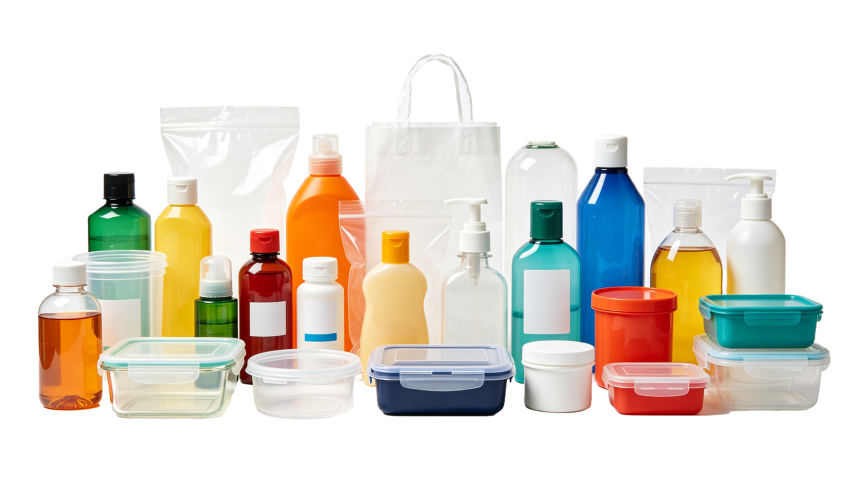 1. Superior Protection and Durability
One of the most important benefits of plastic packaging is its strength. Plastics are made of long polymer chains that are highly resistant to breaking, making them extremely durable during handling and transportation.
Unlike glass or some rigid materials, plastic packaging is also shatter-resistant, reducing the risk of damage and product loss. This is especially critical for industries such as food, retail, healthcare, and electronics.
2. Excellent Hygiene and Safety Standards
Plastic packaging is widely used in food and medical applications because it meets strict safety regulations. It can be sealed without human contact, helping prevent contamination and ensuring product integrity.
Additionally, features like tamper-evident closures and child-resistant designs enhance consumer safety, making plastic packaging a reliable choice for sensitive products.
3. Lightweight and Cost-Efficient
Plastic is significantly lighter than alternative materials like glass or metal. This lightweight property translates into:
Lower transportation costs
Reduced fuel consumption
Easier handling across supply chains
For example, replacing heavier materials with plastic can dramatically reduce shipping weight, leading to fewer transport trips and lower emissions.
For businesses scaling production, this efficiency directly impacts profitability.
4. Design Flexibility and Customization
One of plastic’s greatest advantages is its design freedom. It can be molded into virtually any shape, size, or structure using technologies such as injection molding, blow molding, and thermoforming.
This allows brands to create:
Unique packaging designs
Enhanced shelf appeal
Functional features (resealable lids, compartments, etc.)
At BlissPak, this flexibility is taken further through factory customization, enabling businesses to develop packaging solutions tailored precisely to their products and branding needs.
5. Extended Shelf Life and Reduced Waste
Plastic packaging plays a crucial role in preserving product quality, particularly in the food industry. Its strong barrier properties protect against moisture, oxygen, and contamination, helping extend shelf life.
This has a direct impact on reducing waste:
Food stays fresh longer
Fewer products are damaged during transport
Retail and household waste is minimized
In fact, improved packaging can significantly cut food loss across the supply chain.
6. Efficient Use of Resources
Plastic packaging offers a high strength-to-weight ratio, meaning less material is needed to achieve the same level of protection compared to other materials.
Studies show that replacing plastic with alternative materials could actually increase overall energy use and emissions, due to heavier weights and higher material consumption.
This makes plastic an efficient option when considering the full lifecycle of packaging.
7. Lower Environmental Impact in Transportation
Because plastic is lightweight, it reduces fuel consumption during transportation. Fewer trucks are required to move the same volume of goods, which leads to:
Lower carbon emissions
Reduced logistics costs
Improved supply chain efficiency
This is a key reason why plastic remains dominant in global packaging systems.
8. Re-usability and Recycling Potential
Many plastic packaging formats are designed for reuse or recycling, contributing to circular economy initiatives.
Reusable crates and containers can last for years
Plastic materials can be recycled multiple times
Energy can be recovered from plastic waste at end-of-life
Recycling one tonne of plastic can save significant amounts of energy and carbon emissions, further improving its sustainability profile.
9. Continuous Innovation and Material Reduction
The plastic packaging industry has made significant progress in reducing material usage over time. For example, packaging designs have become lighter while maintaining strength and performance.
This ongoing innovation helps businesses:
Lower costs
Reduce environmental impact
Improve packaging efficiency
10. Versatility Across Industries
Plastic packaging can accommodate almost any product type:
Liquids (bottles, cups)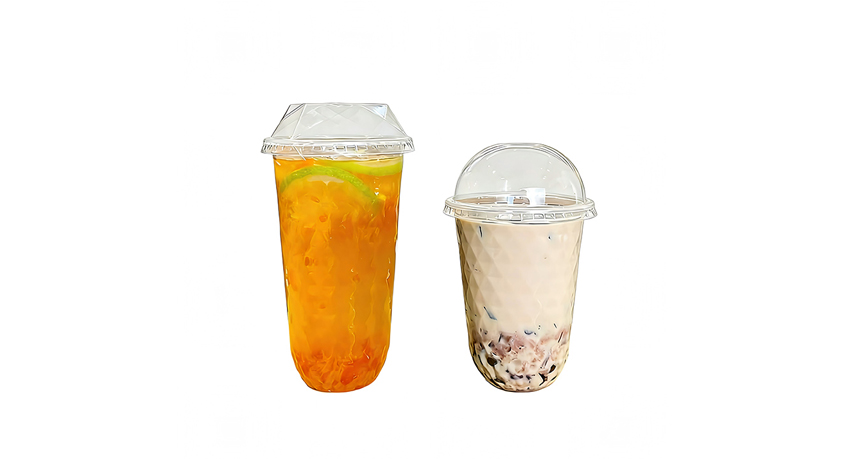 Solids (trays, containers)
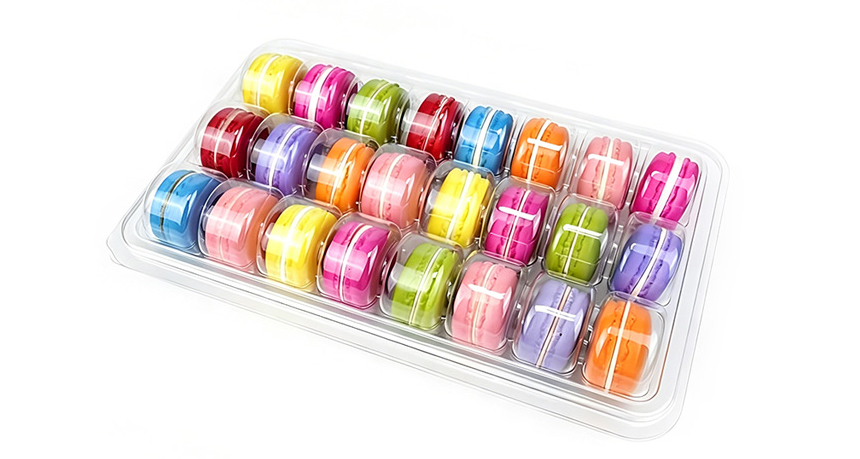 Powders and semi-solids (blister packaging)
From blister packs to flexible films, its adaptability makes it suitable for industries ranging from food and cosmetics to pharmaceuticals and industrial goods.
How BlissPak Enhances the Value of Plastic Packaging
While plastic packaging offers clear advantages, the real competitive edge comes from how it is designed and produced.
At BlissPak, we combine these material benefits with:
Factory customization for product-specific packaging solutions
Advanced tooling for precise and efficient production
Scalable systems for bulk production
Support for both traditional and eco-friendly material options
This approach ensures that businesses not only benefit from plastic packaging’s core strengths but also gain flexibility, efficiency, and brand differentiation.
The Future of Plastic Packaging
Plastic packaging is evolving—not disappearing.
With increasing focus on sustainability, the industry is moving toward:
Recyclable mono-material structures
Reduced material usage
Integration with biodegradable or compostable solutions
Rather than being replaced, plastic packaging is being reimagined to meet modern environmental and economic demands.
Conclusion
Plastic packaging continues to deliver a powerful combination of protection, efficiency, and adaptability that few materials can match.
While challenges around sustainability remain, ongoing innovation and responsible manufacturing are reshaping its future.
For businesses, the key is not simply choosing plastic—but choosing the right packaging partner. With solutions like those offered by BlissPak, companies can leverage the full benefits of plastic packaging through custom design and scalable production, staying competitive in an ever-changing market.
So, what exactly makes plastic packaging so valuable for businesses today?
One of the most important benefits of plastic packaging is its strength. Plastics are made of long polymer chains that are highly resistant to breaking, making them extremely durable during handling and transportation.
Unlike glass or some rigid materials, plastic packaging is also shatter-resistant, reducing the risk of damage and product loss. This is especially critical for industries such as food, retail, healthcare, and electronics.
2. Excellent Hygiene and Safety Standards
Plastic packaging is widely used in food and medical applications because it meets strict safety regulations. It can be sealed without human contact, helping prevent contamination and ensuring product integrity.
Additionally, features like tamper-evident closures and child-resistant designs enhance consumer safety, making plastic packaging a reliable choice for sensitive products.
3. Lightweight and Cost-Efficient
Plastic is significantly lighter than alternative materials like glass or metal. This lightweight property translates into:
Lower transportation costs
Reduced fuel consumption
Easier handling across supply chains
For example, replacing heavier materials with plastic can dramatically reduce shipping weight, leading to fewer transport trips and lower emissions.
For businesses scaling production, this efficiency directly impacts profitability.
4. Design Flexibility and Customization
One of plastic’s greatest advantages is its design freedom. It can be molded into virtually any shape, size, or structure using technologies such as injection molding, blow molding, and thermoforming.
This allows brands to create:
Unique packaging designs
Enhanced shelf appeal
Functional features (resealable lids, compartments, etc.)
At BlissPak, this flexibility is taken further through factory customization, enabling businesses to develop packaging solutions tailored precisely to their products and branding needs.
5. Extended Shelf Life and Reduced Waste
Plastic packaging plays a crucial role in preserving product quality, particularly in the food industry. Its strong barrier properties protect against moisture, oxygen, and contamination, helping extend shelf life.
This has a direct impact on reducing waste:
Food stays fresh longer
Fewer products are damaged during transport
Retail and household waste is minimized
In fact, improved packaging can significantly cut food loss across the supply chain.
6. Efficient Use of Resources
Plastic packaging offers a high strength-to-weight ratio, meaning less material is needed to achieve the same level of protection compared to other materials.
Studies show that replacing plastic with alternative materials could actually increase overall energy use and emissions, due to heavier weights and higher material consumption.
This makes plastic an efficient option when considering the full lifecycle of packaging.
7. Lower Environmental Impact in Transportation
Because plastic is lightweight, it reduces fuel consumption during transportation. Fewer trucks are required to move the same volume of goods, which leads to:
Lower carbon emissions
Reduced logistics costs
Improved supply chain efficiency
This is a key reason why plastic remains dominant in global packaging systems.
8. Re-usability and Recycling Potential
Many plastic packaging formats are designed for reuse or recycling, contributing to circular economy initiatives.
Reusable crates and containers can last for years
Plastic materials can be recycled multiple times
Energy can be recovered from plastic waste at end-of-life
Recycling one tonne of plastic can save significant amounts of energy and carbon emissions, further improving its sustainability profile.
9. Continuous Innovation and Material Reduction
The plastic packaging industry has made significant progress in reducing material usage over time. For example, packaging designs have become lighter while maintaining strength and performance.
This ongoing innovation helps businesses:
Lower costs
Reduce environmental impact
Improve packaging efficiency
10. Versatility Across Industries
Plastic packaging can accommodate almost any product type:
Liquids (bottles, cups)
From blister packs to flexible films, its adaptability makes it suitable for industries ranging from food and cosmetics to pharmaceuticals and industrial goods.
How BlissPak Enhances the Value of Plastic Packaging
While plastic packaging offers clear advantages, the real competitive edge comes from how it is designed and produced.
At BlissPak, we combine these material benefits with:
Factory customization for product-specific packaging solutions
Advanced tooling for precise and efficient production
Scalable systems for bulk production
Support for both traditional and eco-friendly material options
This approach ensures that businesses not only benefit from plastic packaging’s core strengths but also gain flexibility, efficiency, and brand differentiation.
The Future of Plastic Packaging
Plastic packaging is evolving—not disappearing.
With increasing focus on sustainability, the industry is moving toward:
Recyclable mono-material structures
Reduced material usage
Integration with biodegradable or compostable solutions
Rather than being replaced, plastic packaging is being reimagined to meet modern environmental and economic demands.
Conclusion
Plastic packaging continues to deliver a powerful combination of protection, efficiency, and adaptability that few materials can match.
While challenges around sustainability remain, ongoing innovation and responsible manufacturing are reshaping its future.
For businesses, the key is not simply choosing plastic—but choosing the right packaging partner. With solutions like those offered by BlissPak, companies can leverage the full benefits of plastic packaging through custom design and scalable production, staying competitive in an ever-changing market.
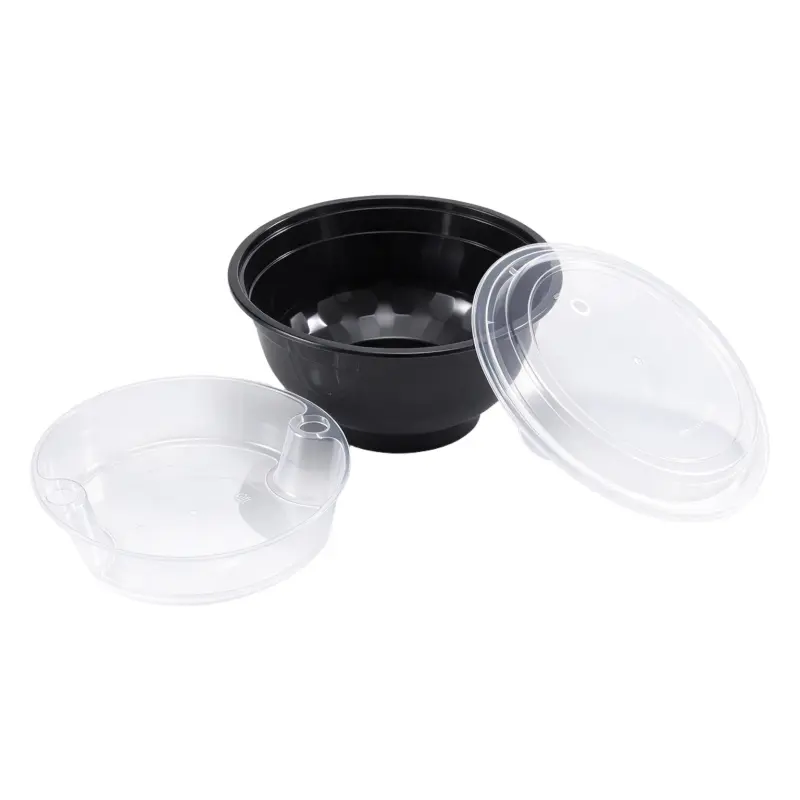
- Disposable sushi tray with lid wholesale
- Custom Disposable Plastic Cups with Logo
- Is blister packaging cheap?
- How to Make Your Own Blister Packaging?
- Advantages of Wine Vacuum Trays
- Custom Packaging Solutions for Precious Metal
- Why choose BlissPak for vacuum forming services?
- What Are The Five Modern Packaging Materials
- Why Bamboo Food Containers Are Better Than Plastic
- The Benefits of Bamboo Fiber Material Food Packaging