
Phone: +86 15398058207
E-mail: sales@blisspak.com
Add: Room 603 Building C, The Huixin Center, Zhangba One Road, Yanta Zone, Xi'an City, Shaanxi Province, China
How to Choose Food-Grade Blister Packaging?
In daily life, we often see the term "food-grade" on tableware, food packaging, and snack ingredient lists - be it plastic containers for hot meals at home, baby bottles, or food coloring in beverages. Why is "food-grade" so emphatically highlighted? This term fundamentally reflects our food safety standards. Simply put, food-grade is essentially a set of material standards for manufacturing food contact products, requiring compliance with national food safety regulations. This means products must be non-toxic, harmless, and incapable of causing any adverse health effects. This classification primarily applies to food additives, food contact materials, and every stage of the food production process. Today, we'll explain in plain language what food-grade means, how it's categorized, how to identify it, and where it's used - helping you avoid common pitfalls when selecting and using these products.
What exactly is food grade?
First, the term "food grade" has two distinct definitions: one refers to materials safe for human consumption, while the other denotes materials suitable for direct contact with food. The interpretation of this term varies by individual or industry, with each definition applying different regulatory and practical standards. For instance, the U.S. Food and Drug Administration (FDA) enforces a complex regulatory framework and evaluation process to confirm whether each additive in food products is suitable for human consumption. This rigorous procedure involves multiple steps, including identifying the substance, defining its properties and purity standards, and establishing restrictions on its usage conditions - all to validate its food-grade status for edible purposes. In contrast, food-grade materials like food-grade thermoformed packaging are certified for direct food contact. This requires their surfaces to be free of any toxic components and their design to comply with three core usage principles: the material must be used within its recommended safe temperature range, be compatible and safe with the specific type of food it contacts, and maintain structural integrity through routine sanitation and cleaning procedures.
Second, a simple example illustrates the distinction between food-grade and non-food-grade materials: Household food-grade PP plastic containers can withstand microwave heating and hold hot soup or rice without deformation. Ordinary PVC containers, however, soften and warp when heated and may release harmful substances like plasticizers, posing health risks with prolonged exposure.
Additionally, two common misconceptions warrant clarification: First, "expensive equals food-grade" is incorrect. Food-grade status hinges on meeting safety standards, not price. Some affordable, compliant containers are perfectly suitable for food use. Second, "clean appearance equals food-grade safety." Food-grade safety depends on material composition and manufacturing processes, not visual inspection. Some non-food-grade containers may appear smooth and clean on the surface, yet harbor harmful impurities within the material that can leach out over time with prolonged use.
What are the categories of food-grade materials?
While "food-grade" may sound broad, it can actually be divided into three categories based on application, each closely tied to our daily lives.
The first category is Food Contact Materials (FCMs), the most common type we encounter. These are products that come into direct contact with food. Among them, food-grade vacuum-formed packaging permeates every aspect of our lives, representing a high-frequency category of food-grade products. Whether it's packaging for meat, fruits, or bakery in supermarkets, or the blister food containers we use daily for storage, they all fall under this category. Our company specializes in the R&D and production of food-grade thermoformed products. Our food-grade thermoformed containers, trays, and other items strictly comply with food contact material standards. We use safe, food-grade materials like PP and PET to meet diverse food packaging needs. These products not only lock in freshness but also ensure no harmful substances leach out or contaminate food, safeguarding every bite. Beyond this, household items like stainless steel bowls, ceramic plates, and glass water cups, as well as supermarket items like mineral water bottles and canned food containers, also fall under food contact materials. Their core requirement is to prevent the leaching of harmful substances and contamination of food during contact, while complying with specific food contact material standards.
The second category is food ingredients and additives. Examples include colorants in beverages, preservatives in snacks, thickeners in bread, and basic cooking ingredients like flour, cooking oil, and milk. All must be food-grade. They must comply with food additive usage standards, with each additive having clearly defined application ranges and dosage limits - additives cannot be used arbitrarily.
The third category is food processing auxiliary grade. These products do not directly contact the final food product but are essential during food production. Examples include cleaning agents used to sanitize production equipment in food factories and lubricants used to maintain machinery. Although they do not come into direct contact with the food we consume, they must be food-grade. Otherwise, residual harmful substances could contaminate the food and affect our health.
How to determine if it's truly food-grade?
When purchasing tableware or food packaging, master these simple tips to easily identify genuine food-grade products.
The first tip is to check the labeling - this is the most direct method. Legitimate food-grade products will clearly display phrases like "Food Grade" or "For Food Contact Use" on their packaging. For plastic tableware, also look for the triangular recycling symbol on the bottom. Numbers inside the triangle - such as 1 (PET material) or 5 (PP material) - typically indicate food-grade suitability for everyday foods. Numbers 3 (PVC material) and 6 (PS material) are unsuitable for hot food or hot oil, especially PVC material, which must never be used for food storage.
The second tip is to check for certifications. In China, the SC mark is common; its presence indicates the product has undergone proper testing and meets national food standards. Internationally, certifications like FDA (U.S. certification), SAN, and CE (EU certification) are widely recognized. Imported products with these certifications offer greater peace of mind.
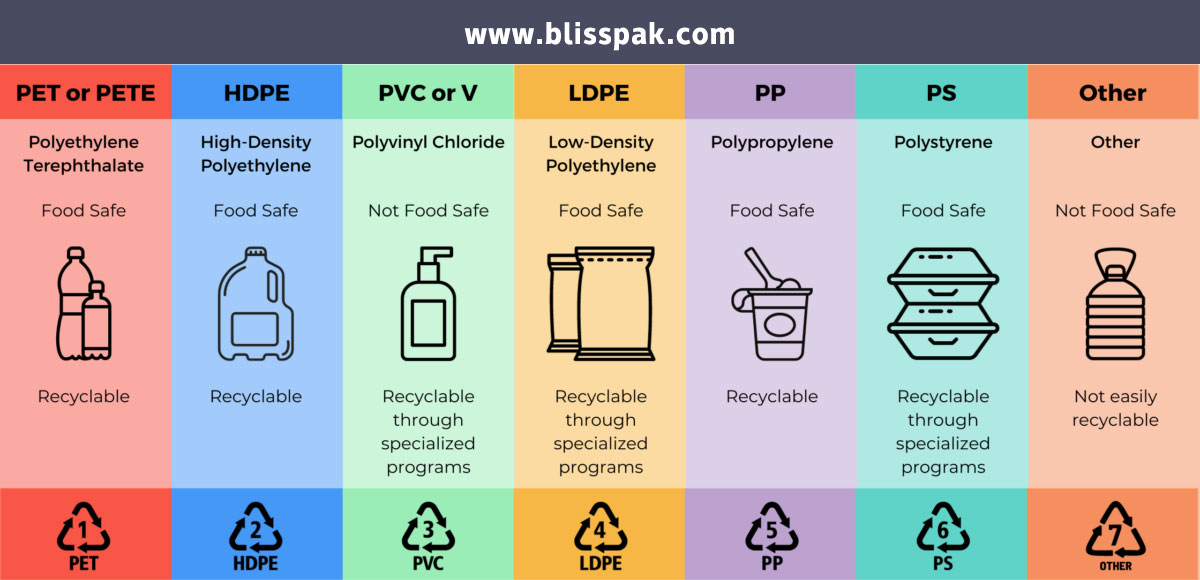
If the above techniques seem challenging, beginners can easily master three simple, intuitive methods: look, smell, and touch. First, examine the color. Dark pigments often indicate higher toxicity. One reason plastics are dyed is to mask impurities in recycled materials. Therefore, choose light-colored or transparent options for food storage. Second, smell the odor. If the plastic emits any unusual scent, regardless of its appearance, it must never be used for food storage. Such odors typically stem from additives, colorants, or residual monomers in the product, indicating non-compliance with food-grade standards. Third, feel the texture. Qualified food-grade plastic feels smooth and glossy. If it feels rough or sticky, it likely contains excessive harmful additives and fails safety requirements - never use it for food contact. Additionally, note that food-grade materials are typically odorless, burr-free, and do not leach harmful substances at high temperatures. For example, PP material can withstand temperatures around 130°C (266°F), making it suitable for microwave heating.
Why is food-grade certification so crucial?
Food-grade certification is never a mere "optional label" - it is an indispensable core safeguard that permeates every stage of our food safety process. Its importance far exceeds our everyday understanding, directly impacting everyone's health and serving as an absolute safety baseline for the food industry. Our daily diets rely on countless food contact products - from supermarket packaging for fresh produce and snacks, to household containers for storing meals, to auxiliary materials used in food production. Whether these products meet food-grade standards directly determines the safety of the food we consume.
Non-food-grade products often harbor numerous safety hazards. Their production processes lack rigorous safety testing, and their materials may contain substances like plasticizers, heavy metals, and harmful additives. These harmful substances can gradually leach into food during contact, especially under high temperatures or when exposed to acidic or oily foods. Long-term consumption of such contaminated food can progressively damage organs like the liver and kidneys, disrupt the endocrine system, and potentially trigger chronic diseases. The risks are particularly pronounced for vulnerable populations such as the elderly, children, and pregnant women.
For the food packaging industry, the importance of food-grade standards is paramount. As a company specializing in the R&D and production of thermoformed products, we possess a particularly profound understanding of this. As a category frequently in contact with food in daily life, thermoformed packaging is widely used for various food products. It comes into direct and prolonged contact with food. If thermoformed products fail to meet food-grade standards, harmful substances can migrate from the packaging into the food, contaminating it at the source. This not only endangers consumer health but also undermines the credibility of the entire food industry.
This is precisely why we consistently integrate food-grade standards into every stage of thermoformed product manufacturing. From selecting premium materials like food-grade PP and PET, to conducting rigorous safety testing, and adhering to compliant production processes - each step strictly follows national and international food-grade regulations. We resolutely reject the use of non-food-grade materials and processes. Only by upholding the food-grade baseline can thermoformed packaging truly safeguard food safety while delivering its advantages of sealing, freshness preservation, and convenience. This ensures consumers can purchase, store, and consume food with complete peace of mind - the core value and indispensable significance of food-grade standards.
In essence, "food-grade" is not an empty slogan, but a safety commitment embedded in every meal and every food contact product. Safeguarding food safety begins with recognizing food-grade standards; choosing food-grade thermoformed packaging starts with trusting reputable, professional manufacturers. We consistently prioritize food-grade integrity, crafting each thermoformed product with dedication. Through expertise and responsibility, we protect every food item and fortify the strongest defense for every consumer's food safety.



- Disposable sushi tray with lid wholesale
- Custom Disposable Plastic Cups with Logo
- Is blister packaging cheap?
- How to Make Your Own Blister Packaging?
- Advantages of Wine Vacuum Trays
- Custom Packaging Solutions for Precious Metal
- Why choose BlissPak for vacuum forming services?
- What Are The Five Modern Packaging Materials
- Why Bamboo Food Containers Are Better Than Plastic
- The Benefits of Bamboo Fiber Material Food Packaging